未分类 ·
Hong Kong Gold vs London Gold: Key Differences for Pre-IPO Investors
Hong Kong Gold vs London Gold: Key Differences for Pre-IPO Investors
In the dynamic world of precious metals, gold has long been a cornerstone of wealth preservation and portfolio diversification. For pre-IPO investors in Hong Kong, understanding the nuances between the Hong Kong gold market and the London gold market is crucial. Both markets play pivotal roles in global gold trading, but they operate under different mechanisms, pricing structures, and regulatory frameworks. This article delves into the key differences between Hong Kong gold and London gold, focusing on trading mechanisms, pricing, and the advantages for pre-IPO portfolio diversification in Hong Kong.
Introduction to Gold Markets
Gold markets are the lifeblood of the global economy, providing liquidity and a hedge against inflation and currency fluctuations. The London gold market, often referred to as the London Bullion Market, is the world’s largest over-the-counter (OTC) gold trading center. It has a rich history dating back to the 17th century and remains a hub for institutional investors and central banks. On the other hand, the Hong Kong gold market, particularly the Chinese Gold and Silver Exchange Society (CGSE), is a key player in Asia, offering a bridge between Eastern and Western markets. For pre-IPO investors in Hong Kong, gold can serve as a strategic asset to diversify portfolios before a company goes public.
Trading Mechanisms: OTC vs Exchange-Traded
London Gold: The OTC Market
The London gold market operates primarily as an OTC market, where trades are conducted directly between two parties without a centralized exchange. The London Bullion Market Association (LBMA) sets the standards for Good Delivery bars, which are the benchmark for gold quality. Trading in London is largely unregulated compared to exchanges, relying on the integrity of market participants. The London OTC market allows for large, bespoke transactions, making it ideal for institutional investors and central banks. However, this lack of transparency can be a drawback for retail investors.
Hong Kong Gold: The Exchange Model
In contrast, the Hong Kong gold market is centered around the Chinese Gold and Silver Exchange Society (CGSE), established in 1910. The CGSE operates as a physical exchange where gold is traded in a standardized contract format. This exchange-traded model offers greater transparency and regulatory oversight. The CGSE also provides a platform for both spot and futures trading, with contracts denominated in Hong Kong dollars. Additionally, the Hong Kong Mercantile Exchange (HKMEx) offers gold futures contracts, further enhancing the market’s depth. For pre-IPO investors, the exchange-traded nature of Hong Kong gold provides a more accessible and regulated environment.
Pricing Differences: LBMA Gold Price vs CGSE Pricing
London Gold Pricing
The price of gold in London is determined by the LBMA Gold Price, a benchmark set twice daily through an electronic auction process. This price is widely used as a reference for gold transactions globally. The LBMA Gold Price is quoted in US dollars per troy ounce and is influenced by factors such as supply and demand, geopolitical events, and macroeconomic indicators. The auction mechanism ensures a fair and transparent price discovery process, but it may not fully reflect real-time market conditions due to its fixed timing.
Hong Kong Gold Pricing
In Hong Kong, gold pricing is influenced by the CGSE’s trading activities and the global spot price. The CGSE uses a different pricing mechanism, with gold quoted in Hong Kong dollars per tael (a traditional Chinese unit of weight, approximately 1.2 troy ounces). This local pricing can diverge from the London price due to factors such as currency exchange rates, local demand, and market sentiment. For pre-IPO investors in Hong Kong, the ability to trade gold in local currency can mitigate foreign exchange risk, which is a significant advantage when diversifying a portfolio.
Market Hours and Liquidity
London Market Hours
The London gold market operates during London business hours, typically from 8:00 AM to 5:00 PM GMT. However, as an OTC market, trading can occur outside these hours through bilateral agreements. London’s liquidity is unparalleled, with daily trading volumes exceeding billions of dollars. This deep liquidity ensures tight bid-ask spreads and efficient execution for large orders.
Hong Kong Market Hours
The Hong Kong gold market aligns with Asian trading hours, operating from 9:00 AM to 5:00 PM HKT. The CGSE also offers an electronic trading platform that extends trading hours, allowing for some overlap with London and New York sessions. While Hong Kong’s liquidity is substantial, it is not as deep as London’s. However, for pre-IPO investors focused on the Asian market, Hong Kong’s trading hours provide a convenient window for executing trades without the need to monitor markets overnight.
Regulatory Environment
London Regulation
The London gold market is largely self-regulated, with the LBMA overseeing market practices and standards. The Financial Conduct Authority (FCA) provides some oversight, but the OTC nature means that regulation is less stringent compared to exchange-traded markets. This can be a double-edged sword: it allows for flexibility but also increases counterparty risk.
Hong Kong Regulation
Hong Kong’s gold market is regulated by the Securities and Futures Commission (SFC) and the CGSE itself. The exchange-traded model ensures compliance with strict rules on trading, clearing, and settlement. This regulatory framework provides a higher level of investor protection, which is particularly appealing for pre-IPO investors who may be more risk-averse.
Advantages for Pre-IPO Portfolio Diversification in Hong Kong
Currency Diversification
One of the key advantages of investing in Hong Kong gold is the ability to hold assets denominated in Hong Kong dollars. For pre-IPO investors, this can serve as a hedge against currency fluctuations, especially if their primary investments are in US dollars or other currencies. The Hong Kong dollar’s peg to the US dollar provides stability, but gold priced in local currency adds an extra layer of diversification.
Accessibility and Lower Barriers to Entry
The Hong Kong gold market offers more accessible entry points for retail and pre-IPO investors. With standardized contracts and lower minimum investment requirements, investors can easily allocate a portion of their portfolio to gold. This is in contrast to the London OTC market, which often requires large minimum transactions that may be prohibitive for smaller investors.
Strategic Timing for Pre-IPO Portfolios
Pre-IPO investors often seek to balance risk and reward before a company goes public. Gold’s negative correlation with equities makes it an ideal hedge during volatile periods. By investing in Hong Kong gold, pre-IPO investors can take advantage of local market dynamics and potentially benefit from price discrepancies between London and Hong Kong. Additionally, the ability to trade during Asian hours allows for timely adjustments to the portfolio.
Tax Efficiency
Hong Kong is known for its favorable tax regime, with no capital gains tax or value-added tax on gold investments. This tax efficiency enhances the net returns for pre-IPO investors, making gold a more attractive asset class compared to other jurisdictions.
Comparing Physical Gold vs Paper Gold in Both Markets
London: Unallocated vs Allocated Accounts
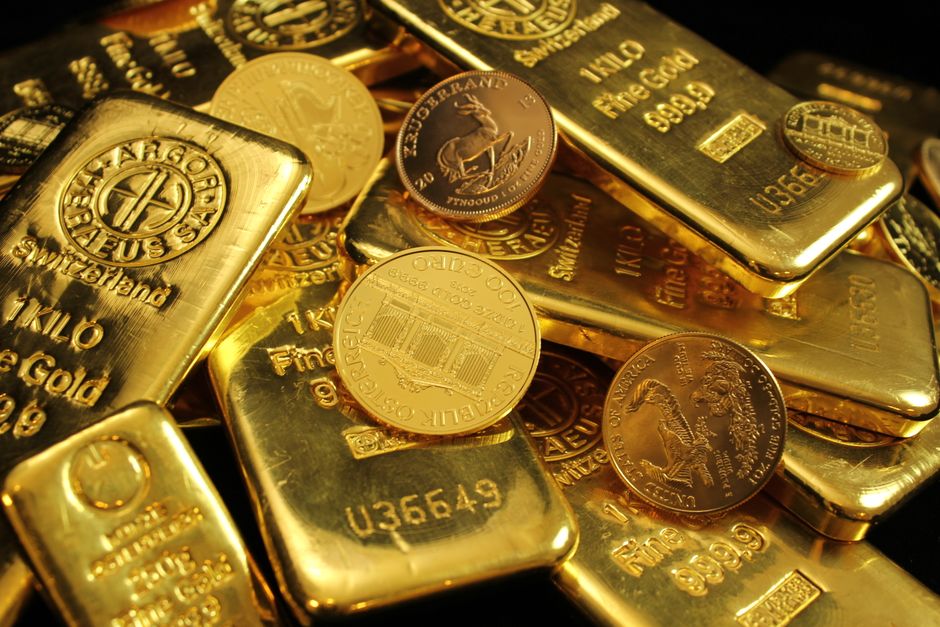
In London, investors can hold gold through unallocated or allocated accounts. Unallocated accounts represent a claim on the bank’s gold reserves and are subject to counterparty risk. Allocated accounts, on the other hand, provide outright ownership of specific gold bars stored in a vault. While allocated accounts offer greater security, they come with higher storage costs.
Hong Kong: Physical Delivery and Storage
Hong Kong’s gold market emphasizes physical delivery, with the CGSE operating a vaulting system for gold storage. Investors can take physical possession of gold bars, which is a significant advantage for those seeking tangible assets. The city’s status as a free port also means that gold can be imported and exported without duties, enhancing its appeal for international investors.
The Role of Gold in a Pre-IPO Portfolio
Gold is often considered a safe-haven asset, providing stability during market downturns. For pre-IPO investors, who may have a significant portion of their wealth tied up in illiquid private equity, gold offers liquidity and a hedge against systemic risks. The Hong Kong gold market, with its unique characteristics, allows investors to tailor their gold exposure to their specific needs.
Case Study: Diversification Benefits
Consider a pre-IPO investor with a portfolio heavily weighted in technology startups. By allocating 10-15% of their portfolio to Hong Kong gold, they can reduce overall volatility and protect against downside risk. Historical data shows that during the 2020 market crash, gold prices surged while equities plummeted, demonstrating its effectiveness as a diversifier. (Source: World Gold Council)
Risks and Considerations
While gold offers numerous benefits, it is not without risks. Price volatility, storage costs, and geopolitical factors can impact gold investments. Additionally, the divergence between London and Hong Kong gold prices can create arbitrage opportunities but also adds complexity. Pre-IPO investors should carefully assess their risk tolerance and investment horizon before entering the gold market.
How to Invest in Hong Kong Gold as a Pre-IPO Investor
Step 1: Open an Account with a CGSE Member
To trade on the CGSE, investors must open an account with a member firm. These firms are regulated and provide access to the exchange’s trading platform.
Step 2: Choose Between Spot and Futures Contracts
Investors can choose between spot contracts for immediate delivery or futures contracts for hedging and speculation. Spot contracts are more straightforward for those seeking physical gold, while futures offer leverage and the ability to lock in prices.
Step 3: Consider Gold ETFs and Digital Gold
For those who prefer not to hold physical gold, gold exchange-traded funds (ETFs) listed on the Hong Kong Stock Exchange provide a convenient alternative. Digital gold platforms also offer fractional ownership, making it easier to invest small amounts.
Future Outlook: Hong Kong as a Gold Hub
Hong Kong is poised to strengthen its position as a global gold hub, driven by initiatives such as the Greater Bay Area development and the Belt and Road Initiative. The city’s strategic location and robust financial infrastructure make it an ideal gateway for gold flows between China and the rest of the world. For pre-IPO investors, this presents long-term growth opportunities in the gold market.
The Impact of Central Bank Policies
Central bank gold purchases have been on the rise, with countries like China and India increasing their reserves. This trend supports gold prices and underscores its role as a monetary asset. Hong Kong, as a key financial center, benefits from this demand. (Source: International Monetary Fund)
Key Differences at a Glance
| Feature | London Gold | Hong Kong Gold |
|---|---|---|
| Market Type | OTC | Exchange-traded |
| Pricing Unit | USD per troy ounce | HKD per tael |
| Regulatory Body | LBMA, FCA | SFC, CGSE |
| Trading Hours | London business hours | Asian business hours |
| Minimum Investment | High (institutional) | Low (retail-friendly) |
| Physical Delivery | Available via allocated accounts | Emphasized with vaulting services |
| Tax Implications | Subject to UK taxes | No capital gains tax in HK |
FAQ
What is the main difference between Hong Kong gold and London gold?
The main difference lies in the trading mechanism: London operates as an OTC market, while Hong Kong uses an exchange-traded model through the CGSE. This affects transparency, regulation, and accessibility.
Can pre-IPO investors benefit from gold diversification?
Yes, gold’s low correlation with equities makes it an excellent diversifier for pre-IPO portfolios, reducing overall risk and providing a hedge during market volatility.
Is it better to invest in physical gold or gold ETFs in Hong Kong?
It depends on the investor’s goals. Physical gold offers tangible ownership and no counterparty risk, while gold ETFs provide liquidity and ease of trading. Both have their place in a diversified portfolio.
How does the Hong Kong dollar peg affect gold pricing?
The Hong Kong dollar’s peg to the US dollar means that local gold prices are influenced by both the global spot price and the USD/HKD exchange rate. This can create pricing discrepancies and arbitrage opportunities.
Are there any restrictions on gold trading in Hong Kong?
Hong Kong has minimal restrictions on gold trading, with no import or export duties. However, investors must comply with anti-money laundering regulations and trade through licensed intermediaries.
References
- World Gold Council. (2023). Gold Demand Trends Full Year 2023. Retrieved from https://www.gold.org
- International Monetary Fund. (2024). Gold in the IMF. Retrieved from https://www.imf.org
- Chinese Gold and Silver Exchange Society. (2024). About CGSE. Retrieved from https://www.cgse.com.hk

Conclusion
In conclusion, the choice between Hong Kong gold and London gold depends on the investor’s objectives, risk tolerance, and geographic focus. For pre-IPO investors in Hong Kong, the local gold market offers distinct advantages, including currency diversification, lower barriers to entry, and a regulated exchange environment. By understanding the key differences in trading mechanisms, pricing, and market dynamics, investors can make informed decisions to enhance their portfolio diversification. As Hong Kong continues to evolve as a global gold hub, the opportunities for pre-IPO investors are set to grow, making gold an indispensable part of a well-rounded investment strategy.