未分类 ·
Hong Kong Gold Investment for Beginners: A Step-by-Step Guide
Hong Kong Gold Investment for Beginners: A Step-by-Step Guide
Gold has long been a safe-haven asset, and Hong Kong stands as one of the world’s premier hubs for gold trading. With its unique position as a gateway between East and West, Hong Kong offers a robust, transparent, and liquid market for gold investment. For beginners, diving into gold investment might seem daunting, but with the right guidance, it becomes an accessible and rewarding venture. This guide walks you through everything you need to know to start investing in gold in Hong Kong, from understanding the market to choosing platforms, managing costs, and mitigating risks.
Why Invest in Gold in Hong Kong?
Hong Kong’s gold market is globally renowned for several reasons. First, it has a long history as a trading center, dating back to the 19th century. Today, it is one of the largest gold trading hubs, alongside London and Zurich. The city’s free-market policies, lack of import duties on gold, and strong legal framework make it an attractive destination for investors. Additionally, Hong Kong’s time zone bridges the gap between US and European markets, allowing nearly 24-hour trading.
Gold serves as a hedge against inflation, currency fluctuations, and geopolitical uncertainties. For Hong Kong-based investors, it also provides a way to diversify portfolios beyond local stocks and properties. Whether you are looking to preserve wealth or speculate on price movements, Hong Kong offers a variety of investment avenues.
Understanding Gold Investment Options in Hong Kong
Before you start, it’s crucial to understand the different ways to invest in gold. Each method has its own risk profile, cost structure, and suitability.
Physical Gold: Bars and Coins
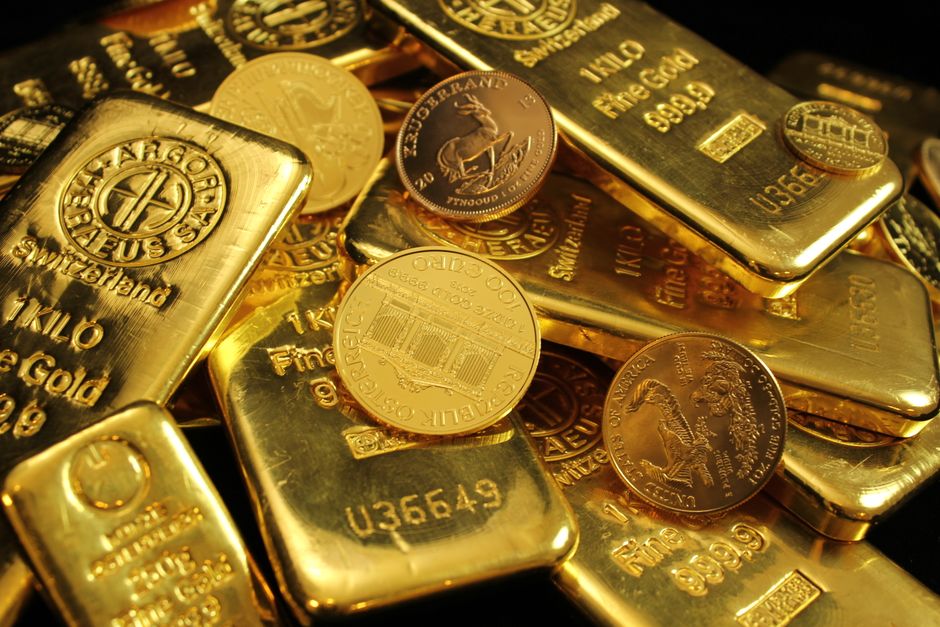
Buying physical gold is the most traditional form of investment. In Hong Kong, you can purchase gold bars and coins from banks, authorized dealers, and specialized gold shops. Popular choices include:
- Gold Bars: Typically 1 tael (approximately 37.429 grams), 5 taels, or 1 kilogram bars. These are 99.99% pure (often called “four nines”) and are traded based on the spot price plus a premium.
- Gold Coins: Such as the Canadian Maple Leaf, American Eagle, or Chinese Panda coins. Coins may carry higher premiums but are more divisible and easier to trade.
Physical gold gives you direct ownership, but it comes with storage and insurance costs. You need to consider secure storage options, such as bank safe deposit boxes or private vaults.
Gold ETFs (Exchange-Traded Funds)
Gold ETFs are a popular choice for beginners because they offer exposure to gold prices without the hassle of physical ownership. These funds are listed on the Hong Kong Stock Exchange (HKEX) and track the price of gold. Notable examples include:
- SPDR Gold Trust (2840.HK): One of the largest and most liquid gold ETFs.
- Value Gold ETF (3081.HK): A locally domiciled ETF that invests in physical gold stored in Hong Kong.
ETFs are easy to buy and sell through a standard brokerage account, and they typically have lower costs than physical gold. However, they come with management fees and may not provide the same tangible security as holding physical metal.
Gold Savings Accounts (Gold Passbooks)
Several banks in Hong Kong offer gold savings accounts, often called “gold passbooks” or “paper gold.” These accounts allow you to buy and sell gold in small denominations without taking physical delivery. The bank holds the gold on your behalf, and your balance is denominated in taels or grams. This method is convenient and eliminates storage concerns, but it relies on the bank’s creditworthiness.
Gold Futures and Options
For more advanced investors, futures and options contracts are available on the Hong Kong Futures Exchange (HKFE). These derivatives allow you to speculate on gold prices with leverage, which can amplify gains but also losses. The most common contract is the Hong Kong Gold Futures, which is cash-settled in Hong Kong dollars. This approach is not recommended for beginners due to its complexity and high risk.
Gold Mining Stocks
Another indirect way to invest is through stocks of gold mining companies. While these stocks are influenced by gold prices, they also depend on company performance, operational risks, and management. Hong Kong lists several mining companies, such as Zijin Mining Group (2899.HK), which has significant gold operations.
Choosing a Platform for Gold Investment
Selecting the right platform is critical for a smooth investment experience. Here’s a breakdown of the main types of platforms available in Hong Kong.
Banks
Major banks like HSBC, Bank of China (Hong Kong), and Standard Chartered offer gold-related services, including gold savings accounts, physical gold purchases, and sometimes gold ETF trading. Banks are highly regulated and provide a sense of security, but their fees may be higher than other options.
Brokerages
Online brokerages are a cost-effective way to trade gold ETFs and stocks. Popular platforms in Hong Kong include:
- Futu Securities (Futu Bull): Known for its user-friendly app and low commissions.
- Interactive Brokers: Offers access to a wide range of markets, including HKEX gold ETFs, with competitive pricing.
- Bright Smart Securities: A local brokerage with a strong presence in Hong Kong.
When choosing a brokerage, consider factors such as trading fees, platform reliability, and customer support. Most brokerages require you to open an account with proof of identity and address.
Gold Dealers and Shops
For physical gold, you can visit reputable dealers like Kitco Metals or local shops in areas like Sheung Wan’s Gold and Silver Trade Centre. Always verify the dealer’s credentials and check for membership in the Chinese Gold and Silver Exchange Society (CGSE), Hong Kong’s century-old gold exchange.
Online Gold Platforms
Some fintech platforms now offer digital gold trading, allowing you to buy fractional gold stored in vaults. Examples include BullionVault and OneGold, which have operations accessible from Hong Kong. These platforms often provide lower minimum investments and transparent pricing.
Step-by-Step Guide to Start Investing
Step 1: Define Your Investment Goals
Are you looking for long-term wealth preservation, short-term speculation, or portfolio diversification? Your goal will determine the most suitable gold investment vehicle. For instance, physical gold is ideal for long-term holding, while ETFs are better for liquidity and ease of trading.
Step 2: Educate Yourself on Gold Pricing
Gold prices are quoted in US dollars per troy ounce internationally, but in Hong Kong, local prices are often quoted in Hong Kong dollars per tael. One tael equals 37.429 grams, and the price is influenced by the international spot price, exchange rates, and local premiums. Stay updated through sources like the World Gold Council or financial news platforms.
Step 3: Choose Your Investment Method
Based on your goals and risk tolerance, select from physical gold, ETFs, gold savings accounts, or other options. Beginners are often advised to start with ETFs or gold savings accounts due to their simplicity and lower entry barriers.
Step 4: Open an Account
If you opt for ETFs or stocks, open a brokerage account. Compare fees and features. For physical gold, establish a relationship with a trusted dealer or bank. For gold savings accounts, visit a bank branch with your identification documents.
Step 5: Make Your First Purchase
- For ETFs: Log into your brokerage account, search for the ETF ticker (e.g., 2840.HK), and place a buy order. Start small to get comfortable.
- For Physical Gold: Visit a dealer, agree on the price, and complete the transaction. Always request a certificate of authenticity.
- For Gold Savings Accounts: Deposit funds and execute a buy order through your bank’s platform.
Step 6: Secure Your Investment
- Physical Gold: Arrange safe storage. Bank safe deposit boxes cost around HK$1,000–$3,000 per year depending on size. Alternatively, use private vaults like Malca-Amit or Brinks.
- Digital/ETF Holdings: Ensure your brokerage account is secure with two-factor authentication.
Step 7: Monitor and Manage
Keep an eye on gold prices and market trends. Rebalance your portfolio periodically. Remember, gold should typically constitute 5–10% of a diversified portfolio.
Costs Involved in Gold Investment
Understanding costs is vital to avoid eroding your returns. Below is a summary of typical costs:
| Investment Type | Cost Component | Typical Range |
|---|---|---|
| Physical Gold | Premium over spot | 1–5% for bars, higher for coins |
| Storage (bank vault) | HK$1,000–$3,000/year | |
| Insurance | 0.1–0.5% of value/year | |
| Gold ETFs | Management fee | 0.15–0.40% per annum |
| Brokerage commission | 0.05–0.25% of trade value | |
| Gold Savings Account | Spread (buy-sell difference) | 1–3% |
| Account maintenance fee | Usually free with minimum balance | |
| Gold Futures | Commission per contract | HK$10–$50 |
| Margin requirements | Variable, often 5–10% of contract |
Always compare costs across platforms. For example, some brokerages offer commission-free ETF trades, while certain banks charge higher spreads on gold savings accounts.
Risks of Gold Investment
While gold is considered a safe haven, it is not risk-free. Key risks include:
- Price Volatility: Gold prices can fluctuate significantly due to economic data, interest rate changes, and geopolitical events. In 2023, gold ranged from $1,800 to $2,050 per ounce.
- Currency Risk: Since gold is priced in US dollars, Hong Kong investors face exchange rate risk between HKD and USD. A stronger Hong Kong dollar can reduce returns.
- Liquidity Risk: Physical gold may not be as liquid as ETFs, especially during market stress. Selling large bars might require finding a buyer.
- Counterparty Risk: With gold savings accounts or unallocated gold, you rely on the bank’s solvency. If the bank fails, you may lose your investment.
- Storage and Theft Risk: Physical gold is susceptible to theft, loss, or damage. Adequate insurance is essential.
- Regulatory Risk: Changes in government policies, such as capital controls or taxation, could affect gold investments.
Tax Considerations
Hong Kong does not impose capital gains tax, value-added tax (VAT), or goods and services tax (GST) on gold investments. This tax-free environment is a major advantage. However, if you are a US person or subject to another jurisdiction’s tax laws, you may have reporting obligations. Consult a tax advisor for personalized advice.
Tips for Beginners
- Start Small: Begin with an amount you are comfortable with, such as a few thousand Hong Kong dollars, to learn the mechanics.
- Diversify: Don’t put all your money into gold. Combine it with stocks, bonds, and other assets.
- Avoid Leverage: As a beginner, steer clear of futures and margin trading until you gain experience.
- Stay Informed: Follow reputable sources like the Hong Kong Monetary Authority for economic insights, and the World Gold Council for gold market research.
- Beware of Scams: Only deal with licensed and reputable institutions. The Securities and Futures Commission (SFC) provides a list of licensed intermediaries.
How to Stay Updated
The gold market moves quickly. Use these resources to stay informed:
- News Outlets: Bloomberg, Reuters, and local sources like South China Morning Post.
- Market Data: Websites like Kitco.com and GoldPrice.org provide real-time prices.
- Economic Calendars: Track events like Federal Reserve meetings that impact gold prices.
Common Mistakes to Avoid
- Ignoring Total Costs: Focusing only on the spot price and neglecting premiums, fees, and storage costs.
- Emotional Trading: Buying when prices soar out of fear of missing out, or panic selling during dips.
- Overconcentration: Allocating too much of your portfolio to gold, which can limit growth from other assets.
- Neglecting Security: Not insuring physical gold or using weak passwords for online accounts.
The Future of Gold Investment in Hong Kong
Hong Kong’s gold market is evolving. The introduction of digital gold tokens and blockchain-based trading platforms may increase accessibility. Additionally, the Greater Bay Area initiative could further integrate Hong Kong with mainland China’s gold market, potentially boosting liquidity. The Chinese Gold and Silver Exchange Society continues to modernize its infrastructure, including the launch of a new trading platform in 2024.
Conclusion
Investing in gold in Hong Kong is a straightforward process once you understand the options and steps involved. Whether you choose physical gold for its tangibility, ETFs for convenience, or a gold savings account for simplicity, the key is to start with clear goals, educate yourself, and manage risks prudently. With its tax advantages, robust regulatory framework, and deep market liquidity, Hong Kong remains an ideal place for both novice and seasoned gold investors. Begin your journey today, and let gold play its part in securing your financial future.
FAQ
What is the minimum amount needed to start investing in gold in Hong Kong?
The minimum investment varies by method. For gold ETFs, you can start with the price of one share (e.g., around HK$1,500 for 2840.HK as of early 2025). Gold savings accounts often have no minimum balance, but some banks require a minimum initial deposit of about HK$1,000. Physical gold bars start at around HK$15,000 for a 1-tael bar.
Is it better to buy physical gold or a gold ETF in Hong Kong?
It depends on your goals. Physical gold offers tangible ownership and no counterparty risk but comes with storage and insurance costs. Gold ETFs are more liquid, have lower transaction costs, and are easier to trade, but they carry management fees and rely on the fund’s custodian. For most beginners, ETFs are more convenient.
How is gold taxed in Hong Kong?
Hong Kong does not levy any taxes on gold investment, including capital gains tax, VAT, or import duties. This makes it one of the most tax-efficient places to invest in gold. However, you may need to consider tax obligations in other jurisdictions if applicable.
Can foreigners invest in gold in Hong Kong?
Yes, non-residents can open brokerage accounts and buy gold ETFs or physical gold. For physical gold, there are no restrictions on purchase or export, but you should check the import regulations of your home country. Banks may require additional documentation for non-residents to open gold savings accounts.
References
- World Gold Council – Gold as an Investment
- Hong Kong Monetary Authority – Financial Markets
- Securities and Futures Commission – List of Licensed Intermediaries
