未分类 ·
Maximizing Returns with Pre-IPO Hong Kong Gold: A Strategic Investor's Guide
Maximizing Returns with Pre-IPO Hong Kong Gold: A Strategic Investor’s Guide
Hong Kong has long been a global financial hub, bridging the East and West. In recent years, the city has seen a surge in pre-IPO investment opportunities, particularly in the gold sector. As investors seek to diversify their portfolios and capitalize on the enduring value of precious metals, pre-IPO gold ventures in Hong Kong offer unique growth potential. This guide explores the landscape of pre-IPO investments in Hong Kong’s gold market, including risk assessment, market timing, and regulatory considerations.
Understanding Pre-IPO Investments in the Gold Sector
Pre-IPO investing involves purchasing shares of a company before it goes public. In the context of Hong Kong’s gold sector, this often means investing in mining companies, gold trading platforms, or fintech firms that deal with gold-backed assets. These investments are typically available to accredited investors, venture capital firms, and sometimes through specialized platforms.

The allure of pre-IPO gold investments lies in the potential for significant returns. When a company goes public, early investors can realize substantial gains if the IPO is priced higher than their entry point. Moreover, gold has historically been a safe-haven asset, providing a hedge against inflation and currency fluctuations. Hong Kong’s strategic position as a gateway to mainland China and its robust financial infrastructure make it an ideal location for gold-related ventures.
The Hong Kong Advantage: Why Pre-IPO Gold?
Hong Kong offers several distinct advantages for pre-IPO gold investments:
- Regulatory Framework: The Securities and Futures Commission (SFC) oversees a transparent and well-regulated market. While pre-IPO investments are not directly regulated like public offerings, the SFC provides guidelines that protect investors.
- Access to Chinese Markets: Through schemes like the Shanghai-Hong Kong Stock Connect and the Bond Connect, Hong Kong acts as a conduit for international investors to access mainland China’s vast gold market.
- Deep Capital Pools: Hong Kong is home to numerous family offices, private equity funds, and high-net-worth individuals, providing ample liquidity for pre-IPO rounds.
- Innovation Hub: The city is fostering a new wave of fintech companies that tokenize gold, making it easier to trade and invest in fractional gold assets.
According to the World Gold Council, global gold demand reached 4,899 tonnes in 2023, with investment demand accounting for a significant portion. Hong Kong’s gold imports surged in early 2024, reflecting strong regional appetite. World Gold Council provides detailed statistics on these trends.
Market Timing: When to Enter Pre-IPO Gold Ventures
Timing is critical in pre-IPO investing. The gold market is influenced by macroeconomic factors such as interest rates, geopolitical tensions, and currency movements. In 2023-2024, central bank buying and economic uncertainty drove gold prices to record highs. The Federal Reserve’s interest rate policies and inflation data have been key drivers.

Investors should consider the following when timing their pre-IPO gold investments:
- Gold Price Trends: Gold prices have been on an upward trajectory since 2023, with spot gold reaching over $2,400 per ounce in April 2024. This bullish trend bodes well for gold companies planning IPOs.
- IPO Window: The Hong Kong Stock Exchange (HKEX) has seen a rebound in IPO activity in 2024 after a slow 2023. A favorable IPO market increases the likelihood of successful exits.
- Company Maturity: Pre-IPO companies are typically at a later stage of development, with proven business models and revenue streams. Assessing their readiness for public markets is essential.
A study by McKinsey & Company highlights that companies going public in strong market conditions achieve higher valuations. McKinsey discusses these dynamics.
Risk Assessment in Pre-IPO Gold Investments
While the upside can be substantial, pre-IPO investments carry inherent risks. In the gold sector, these risks are amplified by commodity price volatility and operational challenges.
Key Risks to Evaluate
| Risk Category | Description | Mitigation Strategy |
|---|---|---|
| Market Risk | Gold prices can fluctuate due to economic data, Fed policy, and geopolitical events. | Diversify across gold-related assets; monitor macroeconomic indicators. |
| Liquidity Risk | Pre-IPO shares are illiquid and cannot be easily sold before the IPO. | Invest only capital that can be locked up for 2-5 years. |
| Company-Specific Risk | Mining companies face operational risks, regulatory hurdles, and management issues. | Conduct thorough due diligence on management, reserves, and financials. |
| Regulatory Risk | Changes in Hong Kong or mainland Chinese regulations could impact gold trading or mining. | Stay informed about policy changes; consult legal experts. |
| Valuation Risk | Pre-IPO valuations may be inflated, leading to poor returns if the IPO prices lower. | Compare with peers; use conservative valuation models. |
Due diligence is paramount. Investors should scrutinize the company’s financial statements, management team, competitive positioning, and growth prospects. Independent audits and legal reviews can uncover red flags.
Regulatory Considerations for Hong Kong Pre-IPO Gold Investments
Hong Kong’s regulatory environment is designed to maintain market integrity. The SFC regulates public offerings, but pre-IPO placements fall under private placement rules. Key considerations include:
- Investor Eligibility: Pre-IPO investments are typically restricted to professional investors as defined by the SFC. This includes individuals with a portfolio of at least HK$8 million.
- Disclosure Requirements: Companies must provide accurate and complete information to investors, though the level of disclosure is less stringent than for public offerings.
- Anti-Money Laundering (AML): Gold transactions are subject to AML regulations. Investors must ensure that the company complies with Hong Kong’s AML laws.
- Cross-Border Issues: If the company operates in mainland China, investors must consider Chinese regulations on gold mining and trading.
The SFC’s website offers guidance on private placements. Securities and Futures Commission provides relevant resources.
Strategies for Maximizing Returns
To maximize returns from pre-IPO gold investments in Hong Kong, consider the following strategies:
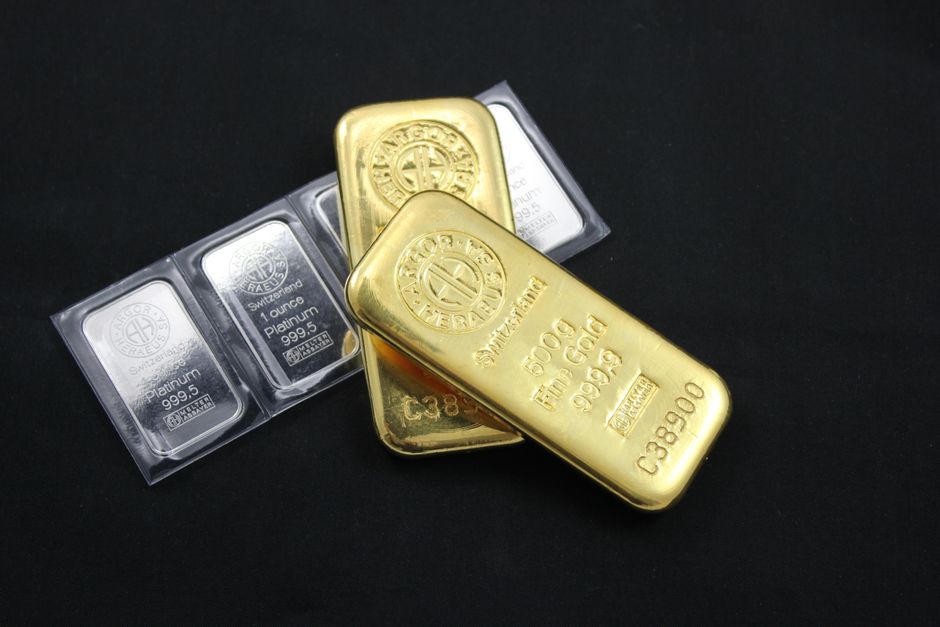
- Diversify Across the Value Chain: Invest in a mix of gold miners, streaming companies, and fintech platforms. This reduces exposure to any single segment.
- Focus on Sustainable Mining: Companies with strong ESG (Environmental, Social, and Governance) practices are more likely to attract institutional investors post-IPO.
- Leverage Local Expertise: Partner with Hong Kong-based venture capital firms or family offices that have deep knowledge of the gold sector.
- Monitor Exit Opportunities: Pre-IPO investments can also exit through trade sales or secondary market transactions. Stay flexible.
- Use Tax-Efficient Structures: Hong Kong has no capital gains tax, but investors should consider their home country’s tax implications.

Case Study: A Hypothetical Pre-IPO Gold Fintech in Hong Kong
Consider a hypothetical Hong Kong-based fintech company, “GoldChain,” that offers a blockchain-based platform for trading tokenized gold. In 2023, GoldChain raised a pre-IPO round at a valuation of $200 million. The company has partnerships with major gold refineries and a growing user base in Asia.
- Investment Thesis: GoldChain capitalizes on the digitization of gold trading and the increasing demand for accessible gold investments.
- Risks: Regulatory uncertainty around tokenized assets, competition from established players, and technology risks.
- Outcome: If GoldChain goes public in 2025 at a $500 million valuation, early investors could see a 2.5x return. However, if the IPO is delayed or market conditions sour, returns could be muted.
This example illustrates the potential rewards and risks inherent in pre-IPO gold investments.
The Role of Technology in Hong Kong’s Gold Sector
Technology is reshaping the gold industry. Blockchain, artificial intelligence, and digital platforms are creating new investment opportunities. Hong Kong is at the forefront of this transformation, with several startups developing innovative solutions.
- Tokenized Gold: Platforms like Paxos and Tether Gold have popularized gold-backed tokens. Hong Kong-based companies are exploring similar models, offering fractional ownership and instant settlement.
- AI in Mining: AI is used for predictive maintenance, resource estimation, and operational efficiency in gold mining. Investors can back mining tech companies that improve productivity.
- Digital Exchanges: Hong Kong’s SFC has licensed virtual asset trading platforms, paving the way for regulated gold token trading.
These technological advancements open new avenues for pre-IPO investments. Investors can target companies at the intersection of gold and technology.
Due Diligence Checklist for Pre-IPO Gold Investments
Before committing capital, investors should complete a comprehensive due diligence process. Here is a checklist:
- Financial Health: Review audited financials, revenue growth, profitability, and cash flow.
- Management Team: Assess the experience and track record of the founders and key executives.
- Market Position: Analyze the company’s competitive advantages, market share, and barriers to entry.
- Gold Reserves/Assets: For mining companies, verify the quality and quantity of gold reserves (e.g., JORC-compliant reports).
- Regulatory Compliance: Ensure the company has all necessary licenses and adheres to AML/KYC regulations.
- Exit Strategy: Understand the planned IPO timeline, potential acquirers, and lock-up periods.
- Legal Structure: Review shareholder agreements, voting rights, and anti-dilution provisions.
Engaging a professional advisor with expertise in Hong Kong’s pre-IPO market can help mitigate risks.
The Future of Pre-IPO Gold Investments in Hong Kong
The outlook for Hong Kong’s pre-IPO gold sector is promising. Several trends support continued growth:
- Rising Gold Demand: Central banks, particularly in Asia, are increasing gold reserves. This underpins long-term demand.
- Fintech Evolution: The integration of gold with digital assets will attract a new generation of investors.
- Greater China Integration: As Hong Kong deepens its financial ties with mainland China, cross-border gold investment products will proliferate.
- Sustainable Investing: ESG considerations are becoming critical. Gold companies with strong sustainability credentials will command premiums.
However, challenges remain. Geopolitical tensions, regulatory changes, and market volatility can disrupt the best-laid plans. Investors must remain vigilant and adaptable.
FAQ
What is the minimum investment for pre-IPO gold opportunities in Hong Kong?
Minimum investments vary widely. Some pre-IPO placements require a minimum of HK$1 million (approximately US$128,000), while others may accept smaller amounts through feeder funds or platforms. Professional investor status (HK$8 million portfolio) is often required.
How long is the typical holding period for a pre-IPO gold investment?
The holding period can range from 2 to 5 years. It depends on the company’s timeline to IPO and market conditions. Investors should be prepared for illiquidity during this period.
Are pre-IPO gold investments regulated by the SFC?
Pre-IPO placements are generally conducted as private placements and are not directly regulated like public offerings. However, the SFC regulates intermediaries involved in the placement. Investors should ensure the company and intermediaries comply with SFC rules.
What are the tax implications of pre-IPO gains in Hong Kong?
Hong Kong does not impose capital gains tax. However, investors who are tax residents in other jurisdictions may be subject to taxes in their home country. Consulting a tax advisor is recommended.
How can I find pre-IPO gold investment opportunities in Hong Kong?
Opportunities are often sourced through private banks, wealth managers, venture capital networks, and specialized investment platforms. Building relationships with industry insiders is key.
References
- World Gold Council. (2024). Gold Demand Trends Full Year 2023. Retrieved from https://www.gold.org/goldhub/data/gold-demand-trends
- McKinsey & Company. (2023). The Strategic Value of Going Public. Retrieved from https://www.mckinsey.com/capabilities/strategy-and-corporate-finance/our-insights/the-strategic-value-of-going-public
- Securities and Futures Commission. (2024). Private Placement. Retrieved from https://www.sfc.hk/en/Regulatory-functions/Intermediaries/Private-placement