未分类 ·
How Pre-IPO Gold in Hong Kong Compares to Other Precious Metals Investments
How Pre-IPO Gold in Hong Kong Compares to Other Precious Metals Investments
In the vibrant financial hub of Hong Kong, investors have long turned to precious metals as a hedge against inflation, currency volatility, and geopolitical uncertainty. While traditional avenues like physical gold bullion and mining stocks remain popular, a newer, more dynamic option has emerged: pre-IPO gold investments. This innovative vehicle allows investors to gain exposure to gold mining or exploration companies before they go public on the Hong Kong Stock Exchange (HKEX) or other global exchanges. But how does pre-IPO gold stack up against other precious metals investments—namely silver, platinum, and palladium—in terms of risk, liquidity, and growth potential? This article provides a comprehensive comparative analysis tailored to the Hong Kong market, where unique regulatory frameworks, investor appetite, and market dynamics shape opportunities.
Hong Kong’s status as a global financial center, combined with its proximity to mainland China—the world’s largest consumer of gold—makes it a strategic launchpad for pre-IPO gold ventures. However, investors must weigh the allure of early-stage gold mining companies against the more established markets for silver, platinum, and palladium. Each metal carries distinct industrial and monetary attributes that influence its investment profile. By dissecting these differences, we aim to equip Hong Kong-based investors with the insights needed to navigate this complex landscape.
Understanding Pre-IPO Gold in Hong Kong
Before diving into comparisons, it’s essential to clarify what pre-IPO gold entails. In Hong Kong, pre-IPO gold investments typically involve purchasing shares in a gold mining or exploration company before its initial public offering (IPO). These companies may be listed on the HKEX’s Growth Enterprise Market (GEM) or seeking a main board listing, often leveraging Hong Kong’s robust regulatory framework under the Securities and Futures Commission (SFC). Pre-IPO gold offers a unique value proposition: investors can secure shares at a potentially discounted price, with the expectation of significant upside once the company goes public.
Hong Kong’s gold market is deeply intertwined with the physical gold trade, given its role as a key conduit for Chinese gold imports. According to the Hong Kong Census and Statistics Department, gold imports and exports have consistently ranked among the city’s top traded commodities. Pre-IPO gold, however, shifts the focus from physical metal to equity in gold enterprises. This distinction is crucial: while physical gold is a store of value, pre-IPO gold is a growth-oriented equity play, subject to company-specific risks and market sentiment.
The appeal of pre-IPO gold in Hong Kong is amplified by the region’s investor culture, which often favors high-risk, high-reward opportunities. Yet, it’s not without challenges. Regulatory scrutiny, due diligence requirements, and the inherent volatility of junior mining companies demand a sophisticated approach. For a deeper dive into Hong Kong’s IPO process, the Hong Kong Exchanges and Clearing Limited (HKEX) provides detailed guidelines on listing requirements, which are critical for evaluating pre-IPO gold ventures.
The Broader Precious Metals Landscape in Hong Kong
To compare pre-IPO gold with other precious metals, we must first understand how silver, platinum, and palladium are traded and valued in Hong Kong. Unlike gold, which enjoys a dual role as both a monetary and industrial metal, these metals are predominantly industrial, with prices driven by supply-demand dynamics in sectors like electronics, automotive, and green energy.
- Silver: Often called “poor man’s gold,” silver is widely accessible to retail investors in Hong Kong through physical bullion, exchange-traded funds (ETFs), and futures contracts on the HKEX. Its price is influenced by industrial demand (e.g., solar panels, electronics) and investment demand, making it more volatile than gold.
- Platinum: Primarily used in catalytic converters and jewelry, platinum’s market is smaller and more concentrated. Hong Kong investors can access platinum via ETFs or overseas futures markets, as local physical trading is limited.
- Palladium: Like platinum, palladium is critical for automotive catalysts, with prices surging in recent years due to supply deficits. It’s traded mainly on global exchanges, with Hong Kong investors relying on international brokers.
Each metal presents distinct risk-return profiles, which we’ll explore in detail. Pre-IPO gold, however, occupies a unique niche: it’s not a direct investment in the metal but in the equity of companies that mine or explore for gold. This structural difference is the foundation of our comparative analysis.
Risk Analysis: Pre-IPO Gold vs. Silver, Platinum, and Palladium
Risk is a paramount consideration for any investor, and the precious metals universe is no exception. Here, we break down the risk factors for each investment type, focusing on Hong Kong’s market context.
Pre-IPO Gold Risk Profile
Pre-IPO gold investments carry a high-risk, high-reward profile. The primary risks include:
- Company-Specific Risk: Junior mining companies often lack proven reserves, operational history, or revenue. A failed exploration project or cost overrun can wipe out investments.
- Regulatory and Listing Risk: Navigating Hong Kong’s SFC regulations and HKEX listing requirements can be complex. Delays or rejections in the IPO process can erode value.
- Liquidity Risk: Pre-IPO shares are typically illiquid, with no secondary market until the company goes public. Investors may be locked in for years.
- Market Sentiment: Gold mining stocks are sensitive to gold price fluctuations, but pre-IPO valuations also depend on investor appetite for new listings, which can be fickle.
Hong Kong’s regulatory environment mitigates some risks through stringent disclosure requirements, but it doesn’t eliminate them. For instance, the SFC’s Code on Takeovers and Mergers ensures transparency in corporate actions, yet pre-IPO investors must still conduct thorough due diligence.
Silver, Platinum, and Palladium Risk Profiles
- Silver: While less risky than pre-IPO gold in terms of company-specific factors, silver is highly volatile due to its dual industrial and monetary roles. Hong Kong investors face currency risk if trading in USD-denominated instruments, though physical silver in Hong Kong dollars is available.
- Platinum: Platinum’s risk stems from its concentrated supply chain (primarily South Africa and Russia) and dependence on the automotive industry. Shifts toward electric vehicles (EVs) pose long-term demand risks, as EVs don’t require catalytic converters.
- Palladium: Palladium shares platinum’s supply concentration and automotive exposure, but its recent price spikes have introduced valuation risk. A correction could be severe if supply deficits ease or substitution occurs.
Overall, pre-IPO gold is the riskiest option due to its equity-like nature and illiquidity, while physical silver, platinum, and palladium offer more direct commodity exposure with varying degrees of industrial risk.
Liquidity Comparison: Navigating Hong Kong’s Markets
Liquidity—the ease of buying or selling an asset without affecting its price—is a critical factor for investors who may need to exit positions quickly. Hong Kong’s deep financial markets provide ample liquidity for most precious metals, but pre-IPO gold stands apart.
Pre-IPO Gold Liquidity
Pre-IPO gold investments are inherently illiquid. Shares are typically acquired through private placements or pre-IPO funding rounds, with no public trading venue until the IPO. Even after listing, lock-up periods (often 6-12 months) restrict selling by early investors. This illiquidity can be a double-edged sword: it prevents panic selling but also ties up capital for extended periods.
Hong Kong’s IPO market is active, with HKEX reporting 125 new listings in 2023, but pre-IPO exits depend on successful public offerings. If market conditions sour, IPOs may be postponed, leaving investors stranded. In contrast, post-IPO gold mining stocks on the HKEX, such as those in the materials sector, offer daily liquidity, albeit with varying trading volumes.
Silver, Platinum, and Palladium Liquidity
- Silver: Highly liquid in Hong Kong through physical dealers, banks, and the HKEX’s silver futures contracts. The Chinese Gold and Silver Exchange Society also facilitates spot trading, ensuring tight bid-ask spreads.
- Platinum and Palladium: These metals are less liquid locally, with most trading occurring on international exchanges like the London Metal Exchange (LME) or New York Mercantile Exchange (NYMEX). Hong Kong investors typically access them via ETFs, such as the Aberdeen Standard Physical Platinum Shares ETF, which trade on the HKEX with reasonable liquidity.
For investors prioritizing liquidity, silver and gold ETFs are superior to pre-IPO gold. However, pre-IPO gold’s illiquidity premium can translate into higher potential returns if the company succeeds.
Growth Potential: Where Are the Opportunities?
Growth potential varies dramatically across these investments, driven by market cycles, technological trends, and geopolitical factors.
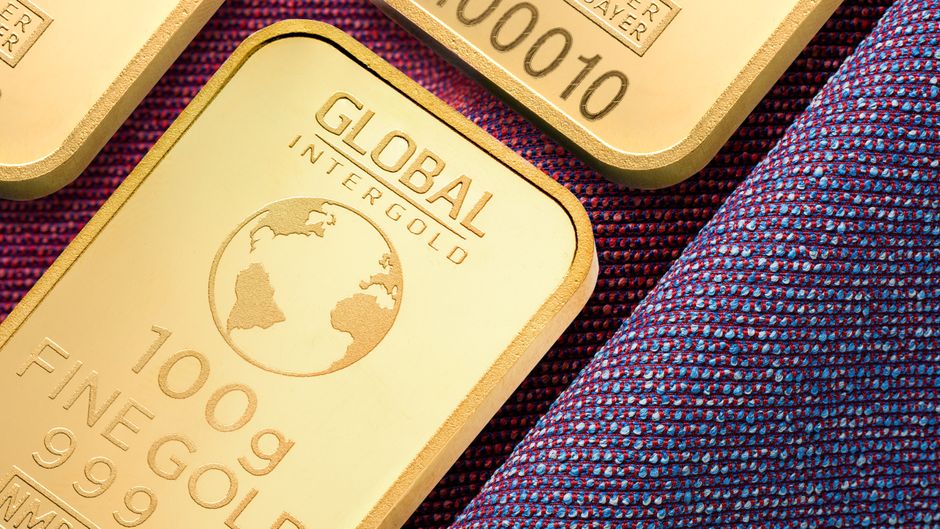
Pre-IPO Gold Growth Potential
Pre-IPO gold offers asymmetric growth potential. A successful gold mining startup that discovers a major deposit or secures a high-value acquisition can deliver multibagger returns upon listing. Hong Kong’s proximity to Chinese gold demand—which accounted for over 30% of global consumption in 2023—provides a robust demand backdrop. Additionally, the HKEX’s efforts to attract resource companies, including streamlined listing rules for mining firms, enhance the growth narrative.
However, growth is not guaranteed. Many junior miners fail to progress from exploration to production, and even those that do may face cost overruns or environmental opposition. Pre-IPO investors must assess management teams, geological reports, and funding structures meticulously.
Silver, Platinum, and Palladium Growth Potential
- Silver: Growth is tied to industrial applications, particularly solar photovoltaics (PV) and electronics. The global push for renewable energy bodes well for silver demand, with the Silver Institute projecting a 15% increase in PV-related silver usage by 2025. Hong Kong investors can capitalize on this through silver ETFs or mining stocks.
- Platinum: Platinum’s growth prospects are mixed. While hydrogen fuel cell technology could boost demand, the decline of diesel vehicles (a major platinum consumer) poses headwinds. Supply constraints from South Africa may support prices, but the metal lacks a clear growth catalyst.
- Palladium: Palladium’s growth has been spectacular, with prices surging from $500/oz in 2016 to over $2,000/oz in 2023, driven by stricter emission standards. However, the long-term outlook is uncertain as automakers substitute palladium with platinum in gasoline catalysts. Hong Kong investors should monitor Johnson Matthey’s PGM market reports for supply-demand data.
In terms of raw growth potential, pre-IPO gold likely leads due to its equity upside, but it comes with the highest failure risk. Silver offers a balanced profile, while platinum and palladium are more cyclical.
Comparative Analysis Table
To synthesize these factors, the following table compares pre-IPO gold with silver, platinum, and palladium across key metrics relevant to Hong Kong investors.
| Investment Type | Risk Level | Liquidity | Growth Potential | Key Drivers in Hong Kong |
|---|---|---|---|---|
| Pre-IPO Gold | Very High | Low | Very High | Chinese gold demand, HKEX listing reforms |
| Silver (Physical/ETF) | Medium | High | Medium-High | Industrial demand (solar), HKEX futures |
| Platinum (ETF) | Medium-High | Medium | Low-Medium | Auto industry trends, supply disruptions |
| Palladium (ETF) | High | Medium | Medium (cyclical) | Emission standards, substitution risk |
This table illustrates the trade-offs: pre-IPO gold is for risk-tolerant investors seeking exponential gains, while silver and platinum/palladium ETFs suit those prioritizing liquidity and moderate growth.
Hong Kong-Specific Considerations
Hong Kong’s unique position influences how these investments perform. The city’s dollar peg to the US dollar stabilizes currency risk for precious metals priced in USD, but it also means local interest rates align with the US Federal Reserve, affecting opportunity costs. Moreover, Hong Kong’s tax regime—no capital gains tax, no VAT on physical gold and silver—enhances the appeal of precious metals investing.
For pre-IPO gold, Hong Kong’s role as a gateway to China is pivotal. Many pre-IPO gold companies target Chinese institutional investors or aim to list on the Shanghai-Hong Kong Stock Connect, amplifying growth prospects. However, geopolitical tensions and regulatory changes (e.g., China’s crackdown on overseas listings) can introduce unpredictability.
Practical Investment Strategies for Hong Kong Investors
Given the analysis, how should Hong Kong investors approach these options?
- Diversification: A balanced portfolio might include physical gold or gold ETFs for stability, silver ETFs for industrial growth, and a small allocation to pre-IPO gold for speculative upside. Platinum and palladium can serve as cyclical plays.
- Due Diligence for Pre-IPO Gold: Scrutinize the company’s management, resource estimates (preferably JORC or NI 43-101 compliant), and use of proceeds. Engage with Hong Kong-based financial advisors familiar with the SFC’s regulatory landscape.
- Liquidity Management: For pre-IPO gold, only invest capital you can lock up for 3-5 years. For other metals, use HKEX-listed ETFs or futures to maintain flexibility.
FAQ: Pre-IPO Gold and Precious Metals Investments in Hong Kong
What is the minimum investment for pre-IPO gold in Hong Kong?
Minimum investments vary widely, but typically range from HKD 100,000 to HKD 1,000,000, depending on the company and the placement agent. Some platforms may offer fractional shares, but these are less common in pre-IPO rounds. Always verify the legitimacy of the offering through the SFC’s public register.
How does taxation differ between physical gold and pre-IPO gold in Hong Kong?
Hong Kong imposes no capital gains tax on any investment, including pre-IPO gold and physical precious metals. However, physical gold and silver are exempt from VAT, while pre-IPO gold gains are treated as ordinary income if you’re classified as a trader. Consult a Hong Kong tax advisor for personalized guidance.
Can I hold pre-IPO gold in my Hong Kong retirement account?
Generally, no. Hong Kong’s Mandatory Provident Fund (MPF) schemes have strict investment guidelines and typically do not permit pre-IPO investments. Self-directed personal accounts may allow it, but check with your provider.
Is silver a better hedge than pre-IPO gold during market downturns?
Silver is more volatile and often correlates with industrial cycles, so it may not perform as well as gold during pure financial crises. Pre-IPO gold, being equity-like, could suffer in broad market sell-offs. Physical gold remains the most reliable hedge.
References
- Hong Kong Census and Statistics Department, “Trade in Goods,” accessed 2025, https://www.censtatd.gov.hk/en/
- Hong Kong Exchanges and Clearing Limited, “How to List – Equity,” accessed 2025, https://www.hkex.com.hk/Listing/How-to-List/Equity?sc_lang=en
- Securities and Futures Commission, “Codes and Guidelines,” accessed 2025, https://www.sfc.hk/en/Rules-and-standards/Codes-and-guidelines/Codes-and-guidelines
- World Gold Council, “Gold Demand by Country,” 2023 data, https://www.gold.org/goldhub/data/gold-demand-by-country
- Silver Institute, “Silver Demand in Solar PV,” 2023 report, https://www.silverinstitute.org/
- Johnson Matthey, “PGM Market Research,” accessed 2025, https://matthey.com/en/products-and-services/precious-metal-management/pgm-market-research
- HKEX News Release, “HKEX Ends 2023 with a Strong Finish,” December 2023, https://www.hkex.com.hk/News/News-Release/2023/231229news?sc_lang=en
- Chinese Gold and Silver Exchange Society, “Market Overview,” accessed 2025, https://www.cgse.com.hk/en/

In conclusion, pre-IPO gold in Hong Kong presents a high-stakes opportunity distinct from traditional precious metals investments. Its risk and illiquidity are offset by the potential for outsized returns, making it suitable for a niche segment of aggressive investors. Silver, platinum, and palladium offer more conventional commodity exposure with varying degrees of industrial leverage. By understanding these dynamics—and leveraging Hong Kong’s regulatory and market infrastructure—investors can craft a resilient, growth-oriented precious metals strategy.