未分类 ·
Pre-IPO Gold in Hong Kong: The Untapped Frontier for Early-Stage Investors
Pre-IPO Gold in Hong Kong: The Untapped Frontier for Early-Stage Investors
Introduction
In the ever-evolving landscape of alternative investments, a fascinating opportunity is emerging from the financial hub of Hong Kong: pre-IPO gold. This niche asset class allows early-stage investors to gain exposure to physical gold before it is listed on public exchanges, blending the timeless allure of precious metals with the high-growth potential of pre-public offerings. As global markets grapple with inflation, geopolitical tensions, and currency volatility, gold’s status as a safe haven remains unshaken. However, the traditional methods of investing in gold—bullion, ETFs, or mining stocks—often lack the explosive upside that early-stage equity investments can provide. Pre-IPO gold in Hong Kong bridges this gap, offering a unique mechanism to acquire physical gold at preferential terms before it enters the public market.
Hong Kong, with its robust legal framework, strategic proximity to mainland China, and status as a global gold trading hub, provides the ideal ecosystem for such investments. The city’s gold market is deeply integrated with international standards, yet it retains unique characteristics that make pre-IPO gold distinct from other jurisdictions. This article delves into the mechanics, regulatory landscape, and strategic advantages of pre-IPO gold in Hong Kong, exploring why it represents an untapped frontier for savvy investors seeking portfolio diversification and asymmetric returns.
Understanding Pre-IPO Gold: What It Is and How It Works
Pre-IPO gold refers to physical gold that is offered to a select group of investors before it is formally listed on a public exchange or made available through conventional channels. Unlike typical pre-IPO equity, which involves shares of a private company, pre-IPO gold is a commodity-based investment where the underlying asset is tangible gold bullion. The “pre-IPO” aspect arises because the gold is part of a structured product or a special purpose vehicle (SPV) that plans to list on a stock exchange, such as the Hong Kong Stock Exchange (HKEX), or to be tokenized on a regulated digital asset platform.
The Mechanics of Pre-IPO Gold Investments
The process typically unfolds in several stages:
-
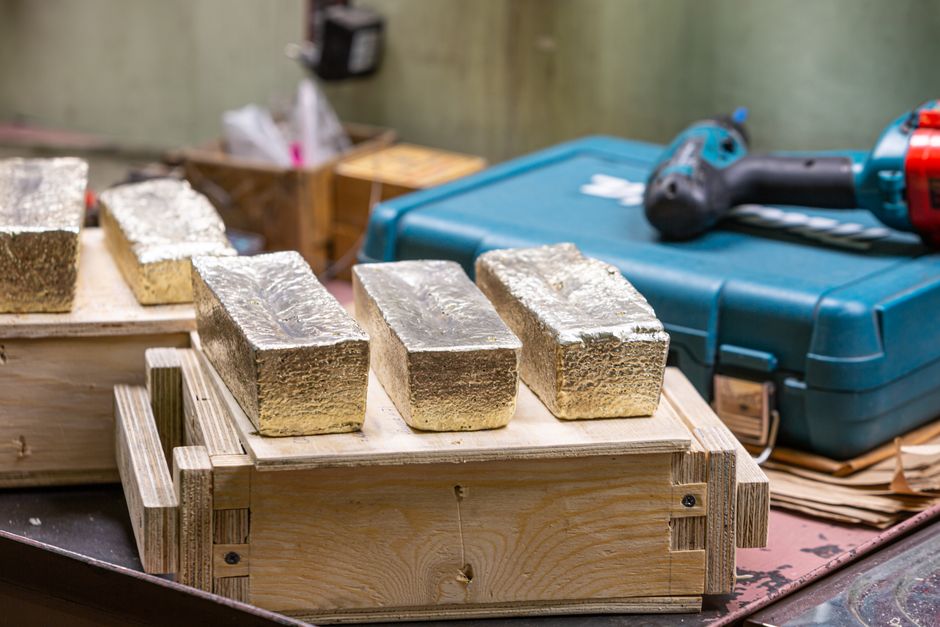
Sourcing and Vaulting: A financial institution or gold dealer sources physical gold, often from mines in Australia, South Africa, or China, and stores it in secure, audited vaults in Hong Kong. These vaults comply with the standards set by the Hong Kong Precious Metals Association (HKPMA) and are regularly inspected.
-
Structuring the Offering: The gold is packaged into an investment vehicle, such as a trust or a limited partnership, which then issues units or tokens representing fractional ownership of the gold. This vehicle is designed to eventually list on a public exchange or be offered to a broader investor base.
-
Pre-IPO Allocation: Before the public listing, a portion of these units is offered to accredited or institutional investors at a discount to the anticipated listing price. The discount serves as an incentive for early participation and compensates for the illiquidity and risk during the pre-listing phase.
-
Value Accretion and Listing: As the vehicle moves toward its initial public offering (IPO) or a direct listing, the market value of the gold units is expected to align with the prevailing spot price of gold, plus any premium for the structure’s convenience and security. Upon listing, early investors can sell their units on the open market, potentially realizing a gain from the discount and any appreciation in gold prices.
Key Features Distinguishing Pre-IPO Gold
- Physical Backing: Each unit is directly backed by allocated gold held in custody, reducing counterparty risk. Investors typically have the right to take physical delivery, though this is rarely exercised due to convenience.
- Regulatory Oversight: In Hong Kong, pre-IPO gold structures often fall under the purview of the Securities and Futures Commission (SFC) if they constitute collective investment schemes. This ensures compliance with disclosure and anti-fraud provisions.
- Liquidity Premium: The pre-IPO discount compensates for the initial lack of liquidity. Once listed, the units trade like any other security, offering investors a clear exit path.

The Regulatory Landscape in Hong Kong
Hong Kong’s regulatory environment is a cornerstone of its appeal for pre-IPO gold investments. The city operates under a common law system inherited from British rule, with strong protections for property rights and contract enforcement. The gold market is regulated by a combination of governmental bodies and self-regulatory organizations, ensuring transparency and integrity.
Key Regulatory Bodies
- Securities and Futures Commission (SFC): The SFC is the primary regulator for securities and futures markets in Hong Kong. If a pre-IPO gold structure involves the offering of securities to the public, it must be authorized by the SFC under the Securities and Futures Ordinance (SFO). The SFC reviews offering documents, ensures adequate disclosure, and monitors ongoing compliance.
- Hong Kong Monetary Authority (HKMA): While the HKMA primarily oversees banking and monetary stability, it plays a role in gold trading through its supervision of the Chinese Gold and Silver Exchange Society (CGSE), which operates the physical gold market.
- Chinese Gold and Silver Exchange Society (CGSE): Established in 1910, the CGSE is a self-regulatory organization that sets standards for gold trading in Hong Kong. It operates a physical trading floor for gold and silver, and its membership includes major banks and dealers. The CGSE’s accreditation is often a prerequisite for vaults and trading platforms involved in pre-IPO gold.
Legal Structures for Pre-IPO Gold
Pre-IPO gold investments in Hong Kong commonly utilize the following structures:
| Structure Type | Description | Regulatory Implications |
|---|---|---|
| Unit Trust | A trust holds the gold on behalf of investors, who own units in the trust. | Typically requires SFC authorization if offered to the public. Offers transparency and bankruptcy remoteness. |
| Limited Partnership Fund (LPF) | A fund structure where investors are limited partners and a general partner manages the gold. | Subject to the Limited Partnership Fund Ordinance (2020). May be exempt from SFC authorization if offered to professional investors only. |
| Tokenized Gold (Digital Asset) | Gold ownership is represented by digital tokens on a blockchain, issued by a regulated platform. | Falls under the SFC’s regulatory framework for virtual asset trading platforms if tokens are securities. The Anti-Money Laundering Ordinance also applies. |
Compliance and Investor Protection
Investors in pre-IPO gold must navigate several compliance requirements:
- Accredited Investor Rules: Many pre-IPO offerings are limited to “professional investors” as defined by the SFO, which includes individuals with a portfolio of at least HKD 8 million. This restricts access but ensures participants have sufficient sophistication.
- Anti-Money Laundering (AML) and Know Your Customer (KYC): All gold transactions, especially those involving physical delivery, must comply with stringent AML/KYC procedures mandated by the HKMA and the Narcotics Division of the Security Bureau.
- Taxation: Hong Kong does not impose capital gains tax, value-added tax (VAT), or goods and services tax (GST) on gold investments, making it a tax-efficient jurisdiction. However, profits from gold trading may be subject to profits tax if the investor is deemed to be carrying on a trade or business in Hong Kong.
Strategic Advantages for Early-Stage Investors
Pre-IPO gold in Hong Kong offers a compelling blend of safety and growth potential that is difficult to find in other asset classes. Here are the key strategic advantages:
1. Diversification Beyond Traditional Assets
Gold has historically exhibited low correlation with equities and bonds, making it an effective portfolio diversifier. Pre-IPO gold adds an extra layer of diversification by introducing an illiquidity premium and the potential for structural alpha. During periods of market stress, gold often rallies, providing a hedge against systemic risks. According to the World Gold Council, gold demand in 2023 reached 4,899 tonnes, driven by central bank purchases and retail investment, underscoring its enduring appeal. World Gold Council
2. Asymmetric Return Profile
The pre-IPO discount creates an immediate margin of safety. For instance, if gold is trading at USD 2,000 per ounce and a pre-IPO unit is offered at USD 1,800, investors have a 10% buffer against price declines. If gold appreciates and the units list at or above spot price, the returns are amplified. This asymmetric profile is particularly attractive in a low-yield environment.
3. Access to Institutional-Grade Custody
Hong Kong’s vaulting infrastructure is among the most secure in the world. Facilities like the Hong Kong International Airport Precious Metals Depository and private vaults operated by Malca-Amit and Loomis are equipped with state-of-the-art security and are fully insured. Pre-IPO gold investors benefit from this institutional-grade custody without the logistical burdens of personal storage.
4. Regulatory Certainty and Legal Recourse
Hong Kong’s legal system provides a clear framework for dispute resolution and asset recovery. The SFC’s oversight reduces the risk of fraud, and the common law tradition ensures that contracts are enforceable. This contrasts with some emerging markets where pre-IPO gold schemes have been plagued by opacity and scams.
5. Gateway to China’s Gold Market
Hong Kong serves as the primary conduit for gold flows into mainland China, the world’s largest gold consumer. The Shanghai Gold Exchange (SGE) and the Bond Connect program facilitate cross-border gold trading. Pre-IPO gold vehicles in Hong Kong can capitalize on the Chinese demand premium, where gold often trades at a higher price than in London or New York. This arbitrage opportunity can enhance returns for early investors.
Risks and Challenges
While pre-IPO gold presents significant opportunities, it is not without risks. Investors must carefully evaluate these factors:
- Liquidity Risk: During the pre-listing phase, there is no secondary market for the units. Investors must be prepared to hold until the IPO, which could be delayed or cancelled.
- Valuation Uncertainty: The pre-IPO discount is based on an estimated listing price, which may not materialize. If the gold market experiences a downturn, the units could list below the purchase price.
- Counterparty Risk: Although physical gold is held in custody, the issuer or sponsor of the vehicle could face financial difficulties, potentially complicating redemption or delivery.
- Regulatory Changes: The SFC and HKMA periodically update their rules, which could affect the viability of certain structures. For example, the evolving regulation of digital assets could impact tokenized gold offerings.
- Currency Risk: Gold is priced in US dollars, but Hong Kong investors may face exchange rate fluctuations if they fund purchases in Hong Kong dollars. However, the Hong Kong dollar’s peg to the US dollar mitigates this risk to some extent.
How to Participate in Pre-IPO Gold Offerings
Participation in pre-IPO gold is typically reserved for high-net-worth individuals, family offices, and institutional investors. The process generally involves:
- Engaging a Licensed Intermediary: Investors should work with a financial advisor or broker licensed by the SFC to source and vet pre-IPO gold deals. These intermediaries often have access to private placements that are not publicly advertised.
- Due Diligence: Comprehensive due diligence is essential. This includes verifying the existence and quality of the gold through assay certificates, auditing the vault’s security protocols, and reviewing the vehicle’s legal structure and offering memorandum.
- Subscription and Settlement: Once satisfied, investors sign a subscription agreement and transfer funds to a designated custodian account. The gold units are then credited to the investor’s account, often evidenced by a digital token or a certificate.
- Monitoring and Exit: Investors should monitor the progress toward the IPO and stay informed about market conditions. Upon listing, they can sell their units through a brokerage account, or in some cases, redeem for physical gold.
Case Study: The Rise of Tokenized Gold in Hong Kong
A notable development in the pre-IPO gold space is the emergence of tokenized gold platforms. One such example is the collaboration between the Hong Kong-based digital asset exchange OSL and various gold dealers. In 2023, OSL launched a tokenized gold product that allowed accredited investors to purchase fractions of physical gold stored in Hong Kong vaults. The tokens were designed to be tradeable on OSL’s regulated platform, with plans for a broader listing. Early investors received a 5% discount to the spot price, and as of early 2025, the tokens were trading at a premium due to high demand from Asian investors. This case illustrates how blockchain technology can enhance liquidity and transparency in the gold market. OSL
The Future of Pre-IPO Gold in Hong Kong
Looking ahead, several trends are likely to shape the pre-IPO gold market in Hong Kong:
- Integration with Greater Bay Area Initiatives: Hong Kong’s role as a financial gateway to the Greater Bay Area could facilitate the creation of cross-border gold products, attracting mainland Chinese investors seeking offshore exposure.
- Tokenization and DeFi: The tokenization of real-world assets, including gold, is expected to grow, with Hong Kong’s supportive regulatory stance for virtual assets. Pre-IPO gold could be integrated into decentralized finance (DeFi) protocols, offering yield-generating opportunities.
- Sustainability and ESG: As environmental, social, and governance (ESG) factors gain prominence, pre-IPO gold vehicles may need to demonstrate responsible sourcing, such as adherence to the London Bullion Market Association’s (LBMA) Responsible Gold Guidance. This could attract a new class of impact-conscious investors.
- Institutionalization: With increasing interest from pension funds and sovereign wealth funds, pre-IPO gold could become a mainstream alternative asset, leading to more standardized structures and greater liquidity.
FAQ
What is the minimum investment for pre-IPO gold in Hong Kong?
The minimum investment varies by offering but typically ranges from HKD 1 million to HKD 5 million for direct participation. Some tokenized platforms allow fractional ownership with lower minimums, but these are often limited to professional investors.
How is pre-IPO gold different from buying gold ETFs?
Gold ETFs are publicly traded and fully liquid, but they do not offer a pre-IPO discount. Pre-IPO gold involves buying into a vehicle before it lists, potentially at a discount, but with initial illiquidity. Additionally, pre-IPO gold often provides direct ownership of allocated physical gold, whereas ETFs may use unallocated gold or derivatives.
Is pre-IPO gold regulated in Hong Kong?
Yes, if the offering constitutes a collective investment scheme, it must be authorized by the SFC. Even if exempt, the issuer must comply with anti-fraud and anti-money laundering regulations. Investors should verify the regulatory status of any offering before participating.
Can I take physical delivery of the gold?
In most structures, investors have the right to redeem their units for physical gold, subject to minimum quantities and delivery charges. However, this is rarely done due to the convenience of holding units or tokens.
Conclusion
Pre-IPO gold in Hong Kong represents a sophisticated yet accessible frontier for early-stage investors seeking to diversify their portfolios with a tangible asset that offers both safety and growth potential. The city’s robust regulatory framework, world-class custody infrastructure, and strategic position as a gold trading hub create a unique environment where pre-IPO gold can thrive. While risks exist, the asymmetric return profile and the intrinsic value of gold make this an attractive proposition for those with the requisite patience and capital.
As the global economy navigates uncertain waters, the allure of gold endures. Pre-IPO gold adds a modern twist to this ancient store of value, allowing investors to get in on the ground floor of what could become a mainstream investment vehicle. For those willing to look beyond conventional assets, the untapped frontier of pre-IPO gold in Hong Kong awaits.
References
- World Gold Council. “Gold Demand Trends Full Year 2023.” https://www.gold.org/goldhub/data/gold-demand-trends
- Securities and Futures Commission of Hong Kong. “Regulatory Framework for Virtual Asset Trading Platforms.” https://www.sfc.hk/en/Rules-and-standards/Regulatory-framework-for-virtual-asset-trading-platforms
- Chinese Gold and Silver Exchange Society. “About CGSE.” https://www.cgse.com.hk/en/about.php
- Hong Kong Monetary Authority. “Anti-Money Laundering and Counter-Financing of Terrorism.” https://www.hkma.gov.hk/eng/key-functions/international-financial-centre/anti-money-laundering/