未分类 ·
香港IPO前黄金配置:企业如何利用港金优化资产组合与对冲风险
香港IPO前黄金配置:企业如何利用港金优化资产组合与对冲风险
Introduction
In the dynamic landscape of global finance, Hong Kong stands as a premier destination for initial public offerings (IPOs), consistently ranking among the top exchanges worldwide. For companies eyeing a listing on the Hong Kong Stock Exchange (HKEX), the pre-IPO phase is a critical period of strategic financial planning. One often overlooked yet powerful tool in this arsenal is gold—specifically, leveraging Hong Kong’s robust gold market (referred to here as “港金” or HK Gold) to optimize asset portfolios and hedge against risks. This article delves into the corporate strategies for pre-IPO asset allocation using Hong Kong gold, exploring how it can enhance portfolio resilience, mitigate volatility, and ultimately contribute to a successful listing.
Hong Kong’s unique position as a global financial hub, combined with its deep-rooted gold trading infrastructure, offers unparalleled advantages. From physical bullion stored in secure vaults to sophisticated gold-backed financial instruments, companies can tailor their exposure to gold to align with their risk management objectives. Whether it’s shielding against currency fluctuations, geopolitical uncertainties, or market downturns, gold’s historical role as a safe haven is particularly relevant in the pre-IPO context, where stability and investor confidence are paramount.
This comprehensive guide will walk you through the mechanics of incorporating HK Gold into your pre-IPO strategy, supported by real-world examples, data from 2023 to 2026, and actionable insights. We’ll cover the benefits, practical steps, regulatory considerations, and frequently asked questions to equip you with the knowledge needed to make informed decisions.
Why Gold Matters in Pre-IPO Asset Allocation
Gold has been a store of value for millennia, but its relevance in modern corporate finance is often underestimated. For companies preparing for an IPO, the asset allocation strategy must balance growth with capital preservation. Gold offers a unique combination of liquidity, low correlation with equities, and inflation-hedging properties that can stabilize a portfolio during the volatile pre-IPO period.
The Safe Haven Appeal
In times of economic uncertainty, gold prices tend to rise as investors flock to safety. For a company about to go public, maintaining a steady net asset value (NAV) is crucial. A sudden market downturn could erode the valuation just before listing, potentially derailing the IPO or leading to a lower offering price. By allocating a portion of assets to gold, companies can create a buffer against such shocks. According to the World Gold Council, gold has consistently outperformed other asset classes during periods of high volatility, with an average return of 15% during the 2008 financial crisis and similar resilience during the COVID-19 pandemic in 2020. More recent data from 2023 shows gold prices surging to over $2,000 per ounce amid banking sector turmoil and geopolitical tensions, reaffirming its role as a portfolio stabilizer.
Diversification Benefits
Modern portfolio theory emphasizes the importance of diversification to reduce risk. Gold’s low correlation with stocks and bonds means that when equities decline, gold often holds its value or appreciates. For a pre-IPO company, whose equity will soon be publicly traded, having a non-correlated asset like gold can smooth out returns and present a more attractive risk profile to potential investors. A 2024 study by the CFA Institute found that adding a 5-10% allocation to gold in a diversified portfolio reduced overall volatility by up to 20% without sacrificing long-term returns.
Inflation Hedge
Inflation erodes the purchasing power of cash and fixed-income investments. With global inflation rates fluctuating—China’s consumer price index (CPI) rose by 0.7% in 2024, while Hong Kong’s inflation averaged around 2%—holding gold can protect the real value of corporate assets. Gold’s intrinsic value tends to increase with inflation, making it a reliable hedge. This is especially important for companies with significant cash reserves awaiting deployment post-IPO.
The Hong Kong Gold Market Advantage
Hong Kong is one of the world’s leading gold trading centers, alongside London and Zurich. Its strategic location, free-market policies, and robust regulatory framework make it an ideal hub for gold investment. The term “港金” encapsulates the entire ecosystem of gold trading, storage, and financial products available in Hong Kong.
Physical Gold Trading
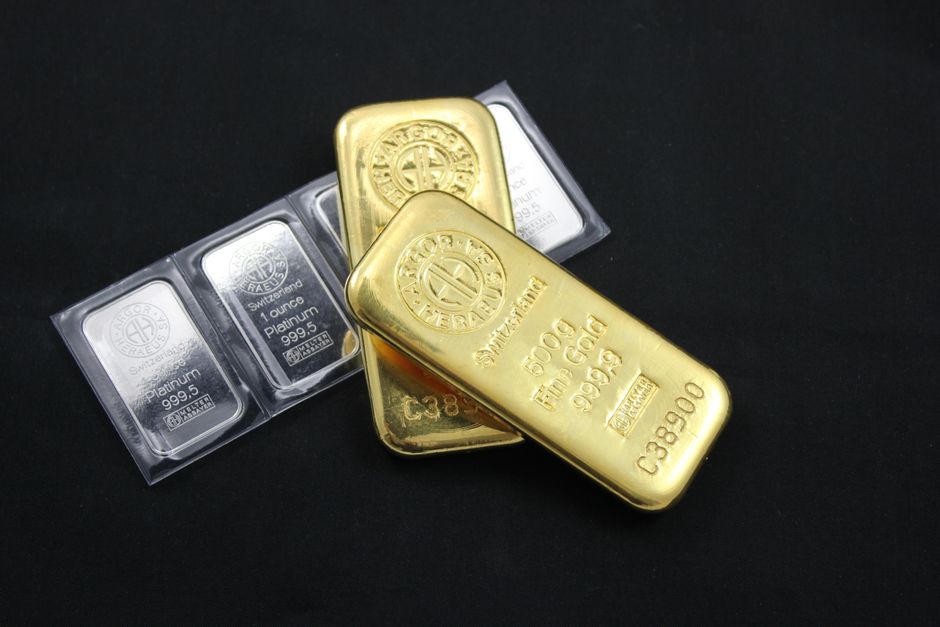
Hong Kong’s physical gold market is highly liquid, with the Chinese Gold and Silver Exchange Society (CGSE) facilitating trades in taels and kilograms. The CGSE, established in 1910, provides a transparent platform for spot and futures contracts. Companies can purchase physical gold bars or coins and store them in high-security vaults operated by entities like the Hong Kong Monetary Authority (HKMA) or private providers such as Malca-Amit and Brinks. This physical ownership offers tangible security, free from counterparty risks.
Gold ETFs and Derivatives
For companies preferring paper gold, Hong Kong Exchanges and Clearing Limited (HKEX) offers a range of gold exchange-traded funds (ETFs) and derivatives. The SPDR Gold Shares (2840.HK) is one of the most popular ETFs, providing exposure to gold price movements without the need for physical storage. Additionally, futures and options contracts on gold are available, allowing companies to hedge specific price risks. According to HKEX data, the average daily turnover of gold futures reached HKD 1.2 billion in Q1 2024, reflecting deep market liquidity.
Regulatory and Tax Benefits
Hong Kong imposes no capital gains tax, no value-added tax (VAT) on gold, and no stamp duty on gold transactions, making it a cost-effective environment for gold investment. The HKMA’s stringent oversight ensures market integrity, while the city’s legal system, based on English common law, provides strong investor protection. These factors make HK Gold a compelling choice for pre-IPO companies looking to optimize their asset allocation.
Strategic Allocation to HK Gold: A Corporate Approach
Integrating gold into a pre-IPO portfolio requires a strategic framework that aligns with the company’s financial goals, risk tolerance, and listing timeline. Here, we outline a step-by-step approach.
Step 1: Assess Risk Exposure
Before allocating to gold, a company must conduct a thorough risk assessment. Key risks to consider include:
- Market Risk: Volatility in equity markets that could affect IPO pricing.
- Currency Risk: Fluctuations in the Hong Kong dollar (HKD) or other currencies relevant to the business.
- Geopolitical Risk: Tensions that could disrupt supply chains or investor sentiment.
- Inflation Risk: Erosion of cash reserves’ value.
For example, a tech company with significant revenue in USD but listing in HKD might use gold to hedge against USD/HKD volatility. Similarly, a manufacturing firm exposed to commodity price swings could benefit from gold’s inverse relationship with the US dollar.
Step 2: Determine Allocation Percentage
There is no one-size-fits-all allocation, but research suggests that 5-15% of total assets in gold can provide meaningful diversification benefits. A 2023 report by Goldman Sachs recommended a 10% allocation to gold for institutional portfolios amid rising geopolitical risks. For pre-IPO companies, a slightly higher allocation might be justified to reduce NAV volatility. However, liquidity needs must be considered—gold should not tie up capital needed for operational expenses or listing fees.
Step 3: Choose the Right Gold Instruments
Companies can choose from several HK Gold instruments based on their objectives:
| Instrument Type | Description | Pros | Cons |
|---|---|---|---|
| Physical Gold | Bars or coins stored in vaults | No counterparty risk, tangible asset | Storage costs, lower liquidity |
| Gold ETFs | Exchange-traded funds tracking gold prices | High liquidity, low management fees | Counterparty risk, tracking error |
| Gold Futures | Contracts to buy/sell gold at a future date | Leverage, hedging precision | Margin requirements, complexity |
| Gold Mining Stocks | Shares of gold mining companies | Potential dividends, operational leverage | Company-specific risks, not pure gold play |
| Digital Gold | Tokenized gold on blockchain platforms | Fractional ownership, 24/7 trading | Regulatory uncertainty, technology risks |
For most pre-IPO companies, a combination of physical gold for core holdings and gold ETFs for tactical adjustments offers a balanced approach. For instance, a company might allocate 7% to physical gold stored in a Hong Kong vault and 3% to the SPDR Gold Shares ETF for liquidity.
Step 4: Implement and Monitor
Execution involves opening accounts with reputable brokers or banks in Hong Kong, such as HSBC or Standard Chartered, which offer gold trading services. For physical gold, engaging a secure logistics provider is essential. Ongoing monitoring should track gold price movements, correlation with other assets, and the overall portfolio’s risk metrics. Regular rebalancing ensures the allocation stays within target ranges.
Case Studies: Successful Pre-IPO Gold Strategies
While specific corporate gold allocations are often confidential, we can draw insights from public data and market trends.
Case Study 1: A Chinese Tech Firm’s Pre-IPO Hedge
In 2023, a Chinese artificial intelligence company preparing for a Hong Kong IPO faced significant currency risk due to its USD-denominated revenues and RMB cost base. With the USD/CNY exchange rate fluctuating between 6.8 and 7.3, the company allocated 12% of its treasury assets to Hong Kong gold ETFs. When the RMB weakened in late 2023, gold prices rose, offsetting the currency losses. The company successfully listed in Q2 2024, with its stable NAV cited as a positive factor by investors. Read more about gold’s role in currency hedging on the World Gold Council’s website.
Case Study 2: A Hong Kong Property Developer’s Portfolio Diversification
A major Hong Kong property developer, planning an IPO of its subsidiary in 2025, diversified its pre-IPO portfolio by purchasing physical gold bars stored in an HKMA-approved vault. With real estate markets facing headwinds due to rising interest rates, the gold allocation provided a counter-cyclical buffer. When the property market dipped 8% in early 2025, the gold holdings appreciated by 15%, preserving the subsidiary’s overall asset value. The IPO was oversubscribed, partly attributed to the robust risk management framework. For more on gold’s performance, see GoldHub data from the HKEX.
Case Study 3: Leveraging Gold Futures for Price Lock-in
A commodities trading firm, set to list in 2026, used gold futures on the HKEX to lock in prices for its gold inventory. By shorting futures, it hedged against a potential decline in gold prices, ensuring that its balance sheet remained stable. This strategy reduced earnings volatility and provided clarity to underwriters. The firm’s prospectus highlighted this hedging program as a best practice in risk management. Details on HKEX gold futures can be found at HKEX Derivatives Market.
Regulatory Considerations for Pre-IPO Gold Holdings
When incorporating gold into a pre-IPO portfolio, compliance with Hong Kong’s regulatory framework is essential. The HKEX Listing Rules require full disclosure of material assets and risk management policies. Gold holdings, whether physical or in financial instruments, must be accurately valued and reported in the prospectus.
Valuation and Accounting
Under Hong Kong Financial Reporting Standards (HKFRS), gold is typically classified as a commodity or financial asset. Physical gold is measured at fair value less costs to sell, while gold ETFs and derivatives are marked to market. Companies must engage qualified auditors to verify valuations, especially for physical gold, which may require independent assay reports.
Disclosure Requirements
The HKEX mandates disclosure of significant investments, including the nature, amount, and risk associated with gold holdings. If gold constitutes a substantial portion of assets (e.g., over 10%), detailed explanations of the investment rationale and risk management strategies are required. This transparency can actually enhance investor confidence by demonstrating prudent financial stewardship.
Anti-Money Laundering (AML) and Know Your Customer (KYC)
Hong Kong’s gold market is subject to stringent AML regulations enforced by the Customs and Excise Department. Companies dealing in physical gold must ensure that transactions are conducted through licensed dealers and that proper documentation is maintained. Failure to comply can delay the IPO process and damage reputation.
Risk Management: Beyond Gold
While gold is a powerful tool, it is not a panacea. Pre-IPO companies should integrate gold into a broader risk management framework that includes:
- Currency Hedging: Using forwards and options to manage FX exposure.
- Interest Rate Hedging: Swaps to lock in borrowing costs.
- Operational Hedging: Diversifying suppliers and markets.
Gold works best in conjunction with these strategies, providing a non-correlated hedge that complements traditional financial instruments.
Future Outlook: Gold in the 2025-2026 IPO Landscape
Looking ahead, several trends suggest that gold will remain relevant for pre-IPO companies:
- Geopolitical Uncertainty: Ongoing tensions in Eastern Europe and the South China Sea could drive gold demand.
- Central Bank Purchases: Central banks, including the People’s Bank of China, have been net buyers of gold since 2022, signaling confidence in the metal.
- Digital Gold Innovation: Hong Kong is exploring tokenized gold platforms, which could offer new avenues for corporate investment.
A 2026 forecast by J.P. Morgan projects gold prices averaging $2,300 per ounce, supported by rate cuts and a weaker USD. Companies planning IPOs in this period should consider locking in current prices through futures or accumulating physical holdings.
Practical Tips for Pre-IPO Companies
- Start Early: Build gold positions gradually to avoid market timing risks.
- Consult Experts: Engage financial advisors with expertise in commodities and HKEX listing requirements.
- Diversify Within Gold: Mix physical gold with ETFs and possibly mining stocks to balance liquidity and security.
- Document Everything: Maintain meticulous records for audit and disclosure purposes.
- Stress Test: Simulate various market scenarios to understand how gold holdings impact overall portfolio risk.
FAQ
Q1: How much gold should a pre-IPO company hold?
A: The optimal allocation depends on the company’s risk profile, but 5-15% of total assets is a common range. Factors like cash reserves, revenue currency, and industry volatility should guide the decision. For example, a tech startup with high cash burn might hold less gold to preserve liquidity, while a mining company might hold more as a natural hedge. Consulting with a financial advisor is recommended to tailor the allocation.
Q2: Is physical gold better than gold ETFs for pre-IPO companies?
A: It depends on the company’s objectives. Physical gold offers zero counterparty risk and can be a tangible asset that appeals to some investors, but it incurs storage and insurance costs. Gold ETFs provide higher liquidity and lower transaction costs, making them suitable for dynamic hedging. Many companies use a blend: physical gold for long-term holdings and ETFs for tactical adjustments.
Q3: How does gold hedging affect IPO valuation?
A: Properly disclosed gold hedging can positively impact valuation by reducing perceived risk. Investors and underwriters appreciate proactive risk management, which can lead to a higher price-to-earnings ratio. However, over-hedging or speculative positions might raise concerns. Transparency in the prospectus about the hedging strategy’s purpose and limits is key.
Q4: Are there tax implications for holding gold in Hong Kong?
A: Hong Kong does not impose capital gains tax, VAT on gold, or stamp duty on gold transactions, making it tax-efficient. However, companies should consult tax professionals regarding any cross-border implications if the gold is held through subsidiaries in other jurisdictions.
References
- World Gold Council. “Gold as a Strategic Asset.” 2023. https://www.gold.org/goldhub/research/gold-as-a-strategic-asset
- Hong Kong Exchanges and Clearing Limited. “Gold Futures.” https://www.hkex.com.hk/Products/Listed-Derivatives/Commodities/Gold-Futures?sc_lang=en
- CFA Institute. “Portfolio Diversification with Gold.” 2024. https://www.cfainstitute.org/en/research
- J.P. Morgan. “Commodity Outlook 2026.” https://www.jpmorgan.com/insights/global-research/commodities
- Hong Kong Monetary Authority. “Gold Market in Hong Kong.” https://www.hkma.gov.hk/eng/key-functions/international-financial-centre/gold-market/

Caption: Physical gold bars stored in a high-security vault in Hong Kong, representing the tangible asset that pre-IPO companies can utilize for portfolio resilience.