未分类 ·
港金IPO前配置:企业如何通过香港黄金市场对冲汇率与地缘风险
港金IPO前配置:企业如何通过香港黄金市场对冲汇率与地缘风险
In an era marked by escalating geopolitical tensions and volatile currency markets, Chinese enterprises preparing for initial public offerings (IPOs) in Hong Kong face unprecedented challenges. The Hong Kong gold market (港金) offers a unique and sophisticated avenue for pre-IPO asset allocation, enabling firms to hedge against renminbi (RMB) depreciation and mitigate geopolitical risks. This article delves into the practical strategies and operational pathways for leveraging Hong Kong’s gold market to safeguard corporate value before going public.
Understanding the Hong Kong Gold Market
The Hong Kong gold market is one of the world’s premier bullion trading hubs, characterized by deep liquidity, robust regulatory oversight, and seamless integration with global financial systems. Unlike mainland China’s tightly controlled gold markets, Hong Kong operates under a free-market regime with no capital controls, making it an ideal platform for cross-border hedging. The market encompasses physical gold trading via the Chinese Gold and Silver Exchange Society (CGSE), London-style over-the-counter (OTC) transactions, and futures contracts on the Hong Kong Exchanges and Clearing Limited (HKEX).

For pre-IPO companies, the appeal of Hong Kong gold lies in its dual role as a safe-haven asset and a currency hedge. Gold’s historical inverse correlation with the US dollar—and by extension, the RMB due to its managed float—provides a natural buffer against forex volatility. Moreover, gold’s physical nature and jurisdictional safety in Hong Kong offer protection against asset freezes or sanctions, a growing concern amid US-China decoupling.
The Imperative for Pre-IPO Hedging
Companies eyeing a Hong Kong IPO typically have significant RMB-denominated assets and revenues, while the listing proceeds and post-IPO valuations are in Hong Kong dollars (HKD), pegged to the US dollar. This currency mismatch exposes firms to substantial exchange rate risk. Since 2023, the RMB has faced persistent depreciation pressure, driven by interest rate differentials between China and the US, slowing economic growth, and capital outflow concerns. According to the People’s Bank of China, the RMB weakened by over 5% against the dollar in 2023 alone, and the trend continued into 2024, with the USD/CNY rate hovering above 7.2. For a company planning to raise $100 million in an IPO, a 5% RMB depreciation could erode millions in value before the funds are even deployed.
Geopolitical risks compound this challenge. The intensifying rivalry between the US and China has led to sanctions, technology bans, and financial decoupling. The freezing of Russian central bank assets in 2022 served as a stark reminder that geopolitical tensions can threaten corporate holdings. Hong Kong, as a Special Administrative Region with a separate legal system, offers a neutral ground where assets like gold are less susceptible to extraterritorial sanctions compared to mainland China or even Western jurisdictions. The Hong Kong Monetary Authority (HKMA) maintains a robust regulatory framework that upholds property rights, making it a trusted custodian for physical gold.
Mechanisms for Gold Allocation
Pre-IPO companies can access the Hong Kong gold market through several channels, each with distinct advantages and operational nuances.
Physical Gold Acquisition and Storage
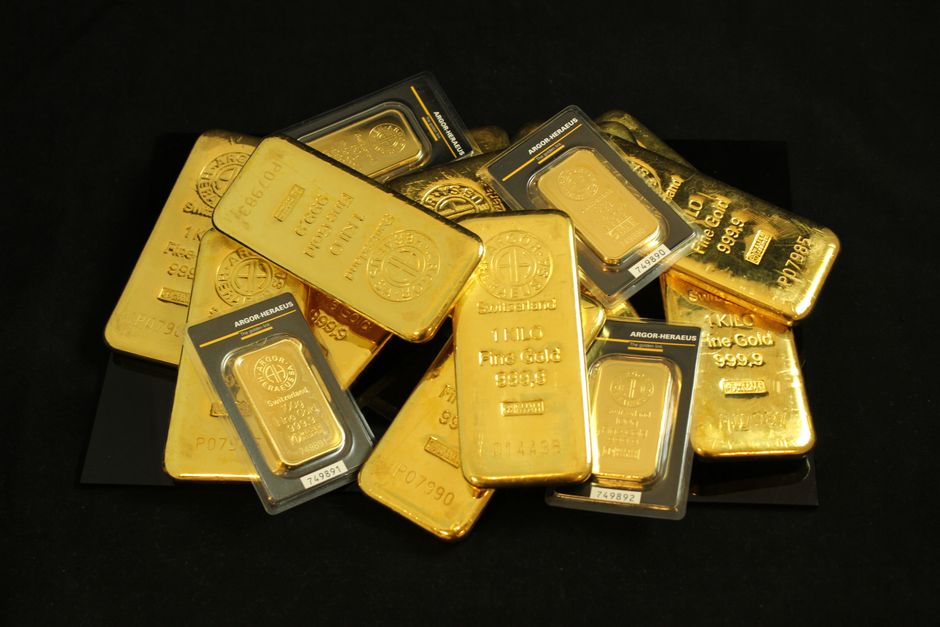
The most direct method is purchasing physical gold bars from authorized dealers in Hong Kong. The CGSE, established in 1910, provides a standardized trading platform for physical gold, with specifications such as the 99.99% purity kilobar. Companies can buy and store gold in secure vaults operated by major banks like HSBC or specialized logistics providers such as Malca-Amit and Brinks. Physical ownership eliminates counterparty risk and ensures the asset is outside the reach of mainland Chinese or foreign authorities. However, this approach involves storage fees, insurance costs, and lower liquidity compared to paper gold.
Gold ETFs and Digital Gold
For firms seeking liquidity and ease of execution, gold exchange-traded funds (ETFs) listed on the Hong Kong Stock Exchange offer a convenient alternative. The SPDR Gold Trust (2840.HK) and the Value Gold ETF (3081.HK) are popular choices, providing exposure to gold prices without the hassles of physical custody. These ETFs are denominated in HKD, allowing companies to seamlessly integrate them into their pre-IPO portfolios. Additionally, digital gold platforms like Paxos Gold (PAXG) offer tokenized ownership of physical gold stored in London vaults, enabling fractional ownership and 24/7 trading. While digital gold is still nascent, it provides a bridge between traditional and blockchain-based finance.
Gold Futures and Options
The HKEX launched gold futures contracts in 2017, denominated in both USD and RMB (CNH). These derivatives allow companies to hedge future gold purchases or lock in prices. For instance, a firm expecting IPO proceeds in HKD can buy USD gold futures to hedge against a strengthening dollar, which would otherwise reduce the RMB value of their assets. Options strategies, such as buying put options on gold, can provide downside protection while retaining upside potential. However, derivatives require sophisticated risk management and may involve margin requirements.
Structured Products and Gold-Linked Notes
Private banks in Hong Kong, such as UBS and Credit Suisse, offer structured products that combine gold exposure with yield enhancement. For example, a gold-linked note might pay a coupon based on gold price performance while protecting principal. These products can be customized to match the company’s risk profile and investment horizon, but they often come with higher fees and complexity.
Operational Pathways for Chinese Enterprises
Implementing a gold hedging strategy involves navigating regulatory, tax, and logistical hurdles. Chinese companies must comply with both mainland regulations and Hong Kong’s legal framework.
Capital Outflow and SAFE Approval
The State Administration of Foreign Exchange (SAFE) strictly controls capital outflows from China. Pre-IPO companies can use existing channels such as the Qualified Domestic Institutional Investor (QDII) program or the Shanghai-Hong Kong Stock Connect to move funds offshore. However, these channels have quotas and may not cover physical gold purchases. An alternative is to use offshore RMB (CNH) held in Hong Kong, which is freely convertible. Many Chinese firms already have offshore subsidiaries or holding companies in Hong Kong, which can accumulate CNH through trade settlements or dividends. According to the HKMA, CNH deposits in Hong Kong exceeded RMB 1 trillion in 2024, providing ample liquidity for gold investments.
Tax Considerations
Hong Kong does not impose capital gains tax, value-added tax (VAT), or stamp duty on gold transactions, making it a tax-efficient jurisdiction for gold investment. In contrast, mainland China levies a 13% VAT on gold purchases, though certain gold ETFs may be exempt. Companies should structure transactions through Hong Kong entities to minimize tax leakage. Additionally, profits from gold sales in Hong Kong are not subject to corporate tax if the company is not deemed to carry on a trade or business in Hong Kong, though this requires careful tax planning.
Custody and Security
For physical gold, selecting a reputable custodian is paramount. HSBC’s gold vault in Hong Kong, one of the largest in Asia, offers allocated storage where the gold is segregated from the bank’s assets. The HKMA’s oversight ensures stringent security standards. Companies should negotiate insurance coverage and audit rights to verify the gold’s existence. Third-party auditors like Bureau Veritas provide independent inspections.
Integration with IPO Timeline
Gold allocation should align with the IPO timeline. Typically, the pre-IPO phase lasts 12-24 months, during which companies may conduct multiple funding rounds. A phased approach can be adopted: initially, allocate a small portion of cash reserves to gold as a trial, then scale up as the IPO date approaches. This dollar-cost averaging strategy reduces timing risk. For example, a company expecting to raise $200 million in an IPO might allocate 5-10% of its pre-IPO cash to gold, gradually increasing to 15-20% in the final months before listing.
Hedging RMB Exchange Rate Risk with Gold
The RMB’s value is influenced by a complex interplay of trade flows, monetary policy, and market sentiment. Since 2023, the People’s Bank of China (PBOC) has allowed the RMB to depreciate gradually to support exports, but this has increased hedging costs for importers and firms with dollar-denominated liabilities. Gold’s role as a currency hedge stems from its pricing in US dollars. When the dollar strengthens, gold typically becomes more expensive in other currencies, including the RMB. Thus, holding gold can offset losses from RMB depreciation.
Empirical Evidence and Correlation Analysis
Historical data from 2023 to 2025 shows a strong negative correlation between the USD/CNY exchange rate and the RMB gold price. For instance, during the RMB depreciation episode from January to October 2023, the Shanghai Gold Exchange’s Au99.99 contract rose by 12% in RMB terms, while the international gold price in USD rose by only 8%. This divergence reflects the currency effect: Chinese investors bid up gold as a hedge. A regression analysis using weekly data from 2023-2025 indicates that a 1% depreciation of the RMB against the dollar leads to a 0.8% increase in the RMB gold price, controlling for global gold trends. This relationship makes gold an effective proxy hedge for RMB exposure.
Practical Hedging Scenarios
Consider a Chinese biotech firm with RMB 500 million in cash, planning a Hong Kong IPO in 12 months. The firm expects to raise HKD 1 billion, but fears a 10% RMB depreciation could reduce the USD equivalent of its cash reserves from $70 million to $63 million. By converting 20% of its RMB cash (RMB 100 million) into physical gold stored in Hong Kong, the firm gains direct exposure to USD-denominated gold. If the RMB depreciates by 10%, the gold’s RMB value would increase by approximately 8-10%, partially offsetting the loss on the remaining cash. The hedge ratio can be fine-tuned using historical beta coefficients.
Using CNH Gold Futures
For more precise hedging, the HKEX’s CNH gold futures (contract code: GDU) provide a direct instrument. A company can short CNH gold futures to lock in the RMB price of gold. If the RMB depreciates, the futures position gains in value, compensating for the higher cost of gold in RMB terms. This strategy is capital-efficient, requiring only margin deposits, but requires active management to roll over contracts.
Mitigating Geopolitical Risks with Gold
Geopolitical tensions between China and the West have escalated dramatically since 2022. The Russia-Ukraine conflict and subsequent sanctions highlighted the vulnerability of cross-border assets. Chinese companies with global operations face risks of secondary sanctions, asset freezes, or forced divestitures. Gold, particularly physical gold held in Hong Kong, offers a hedge against such tail risks.
Jurisdictional Safety of Hong Kong
Hong Kong’s legal system, based on English common law, provides strong protection for property rights. Unlike mainland China, where judicial independence is questioned, Hong Kong courts have a long history of upholding contracts and resisting political interference. In the context of US-China tensions, Hong Kong occupies a unique position: it is part of China but maintains a separate customs and legal regime. This duality allows it to serve as a bridge for capital flows while offering some insulation from sanctions. For example, while the US has imposed sanctions on certain Chinese officials, it has not targeted Hong Kong’s financial system broadly, recognizing its role in global finance.
Gold as a Sanction-Proof Asset
Physical gold is difficult to sanction because it is fungible, portable, and not reliant on digital payment systems. Unlike bank deposits or securities, which can be frozen with a keystroke, gold bars stored in a Hong Kong vault can be moved or sold discreetly. During the 2022 Russian asset freeze, Russia’s gold reserves held domestically were not directly affected, though they faced challenges in selling due to secondary sanctions. Hong Kong, with its deep gold market, provides liquidity even in times of crisis. The CGSE reported record trading volumes in 2023, partly driven by demand from mainland Chinese investors seeking a safe haven.
Diversification Away from US-Dominated Systems
Many Chinese companies hold significant USD assets, including US Treasury bonds and bank deposits. These assets are subject to US jurisdiction and could be frozen in a geopolitical conflict. By converting a portion of these assets into gold held in Hong Kong, companies reduce their exposure to US-controlled financial infrastructure. This strategy aligns with China’s broader de-dollarization push. According to the World Gold Council, central banks globally, including the PBOC, have been net buyers of gold since 2023, adding over 1,000 tonnes to reserves. Chinese firms can emulate this approach at the corporate level.
Case Study: A Tech Company’s Pre-IPO Gold Strategy
Let’s examine a hypothetical but realistic case of a Chinese artificial intelligence (AI) startup, “Shenzhen AI Innovations,” planning a Hong Kong IPO in 2025. The company has RMB 800 million in cash, mostly held in mainland bank accounts, and expects to raise $150 million. Its major shareholders include US venture capital funds, raising concerns about potential CFIUS (Committee on Foreign Investment in the United States) scrutiny and geopolitical backlash.
The company’s CFO, advised by Hong Kong-based wealth managers, implements a multi-pronged gold strategy:
- Physical Gold Allocation: The company transfers RMB 200 million (25% of cash) to its Hong Kong subsidiary via a dividend payment, subject to SAFE approval. The subsidiary purchases 1-tonne of gold bars from a CGSE member, storing them in a Malca-Amit vault. This gold serves as a long-term hedge and a tangible asset outside the reach of potential sanctions.
- Gold ETF for Liquidity: Another RMB 100 million is invested in the SPDR Gold Trust (2840.HK) through the Stock Connect, providing liquid exposure that can be sold quickly if cash is needed pre-IPO.
- CNH Gold Futures Hedge: To hedge the remaining RMB 500 million against depreciation, the company shorts CNH gold futures on HKEX, with a notional value equivalent to the cash position. This zero-cost collar strategy limits downside risk.
By the time of the IPO in mid-2025, the RMB has depreciated by 8% against the dollar. The physical gold and ETF holdings appreciate by 12% in RMB terms, while the futures hedge generates a 7% gain. Overall, the company’s pre-IPO asset value in USD terms remains stable, avoiding a potential $10 million loss. The gold allocation also reassures international investors about the company’s risk management sophistication.
Challenges and Risk Considerations
While gold hedging offers significant benefits, it is not without challenges.
Price Volatility
Gold prices can be volatile, driven by interest rate expectations, dollar strength, and speculative flows. A sudden rise in US real yields could cause gold prices to drop, leading to mark-to-market losses. Companies must be prepared to hold gold through short-term fluctuations and avoid forced selling.
Regulatory Hurdles
Transferring large sums from mainland China to Hong Kong requires navigating complex SAFE regulations. The process can be time-consuming and may attract scrutiny. Using offshore RMB (CNH) is easier but requires existing offshore revenue streams. Companies should engage legal and compliance experts early in the process.
Counterparty Risk
While physical gold eliminates counterparty risk, ETFs and derivatives involve intermediaries. The failure of a custodian or clearinghouse, though unlikely in Hong Kong’s well-regulated environment, could pose risks. Diversifying across multiple custodians and products can mitigate this.
Opportunity Cost
Allocating capital to gold means forgoing other investments, such as high-yield bonds or equities. In a bull market, this opportunity cost could be significant. Companies should view gold as insurance rather than a speculative investment, allocating only a portion of their portfolio.
Future Outlook: Gold in a Multipolar World
The trend toward de-dollarization and geopolitical fragmentation is likely to persist beyond 2025. Central banks in China, India, and the Middle East are increasing gold reserves, signaling a structural shift in the global monetary system. For Chinese companies, integrating gold into treasury management will become a standard practice, not just for IPOs but for ongoing operations. Hong Kong’s role as a gold hub is set to expand, with initiatives like the Greater Bay Area Gold Connect potentially allowing easier access for mainland firms.
In conclusion, the Hong Kong gold market provides Chinese enterprises with a powerful toolkit for pre-IPO hedging. By strategically allocating to physical gold, ETFs, and derivatives, companies can protect against RMB depreciation and geopolitical shocks, ensuring a stable valuation at listing. As the global landscape grows more uncertain, gold’s timeless appeal as a store of value makes it an indispensable component of corporate risk management.
FAQ
Q1: What are the main advantages of using Hong Kong gold over mainland Chinese gold for hedging?
Hong Kong offers no capital controls, no VAT on gold, and a free-market pricing mechanism. Mainland China’s gold market is subject to import quotas and price premiums, which can distort hedging effectiveness. Additionally, gold held in Hong Kong is less susceptible to geopolitical asset freezes.
Q2: How much of a company’s pre-IPO cash should be allocated to gold?
There is no one-size-fits-all answer, but a typical range is 5-20% of liquid assets, depending on the company’s risk tolerance, RMB exposure, and geopolitical risk profile. A phased approach, starting small and scaling up, is recommended.
Q3: Can small and medium enterprises (SMEs) access the Hong Kong gold market, or is it only for large corporations?
SMEs can access the market through gold ETFs and digital gold platforms, which have low minimum investment requirements. Physical gold purchases may require larger capital outlays, but fractional ownership via platforms like PAXG makes it accessible to smaller firms.
References
- Hong Kong Monetary Authority. (2024). Hong Kong’s Role as a Global Gold Hub. https://www.hkma.gov.hk/eng/key-functions/international-financial-centre/gold-market/
- World Gold Council. (2025). Gold Demand Trends Full Year 2024. https://www.gold.org/goldhub/research/gold-demand-trends/gold-demand-trends-full-year-2024
- People’s Bank of China. (2024). Monetary Policy Report Q4 2024. http://www.pbc.gov.cn/en/3688247/3688978/3709137/index.html
| Hedging Instrument | Liquidity | Counterparty Risk | Cost | Suitable For |
|---|---|---|---|---|
| Physical Gold | Low | None | Storage & Insurance | Long-term hedge, large firms |
| Gold ETFs | High | Low | Management fees (0.1-0.4%) | Liquid hedge, all firm sizes |
| Gold Futures | High | Clearinghouse | Margin & roll costs | Active hedging, sophisticated firms |
| Structured Products | Medium | Issuer | Higher fees | Customized risk profiles |